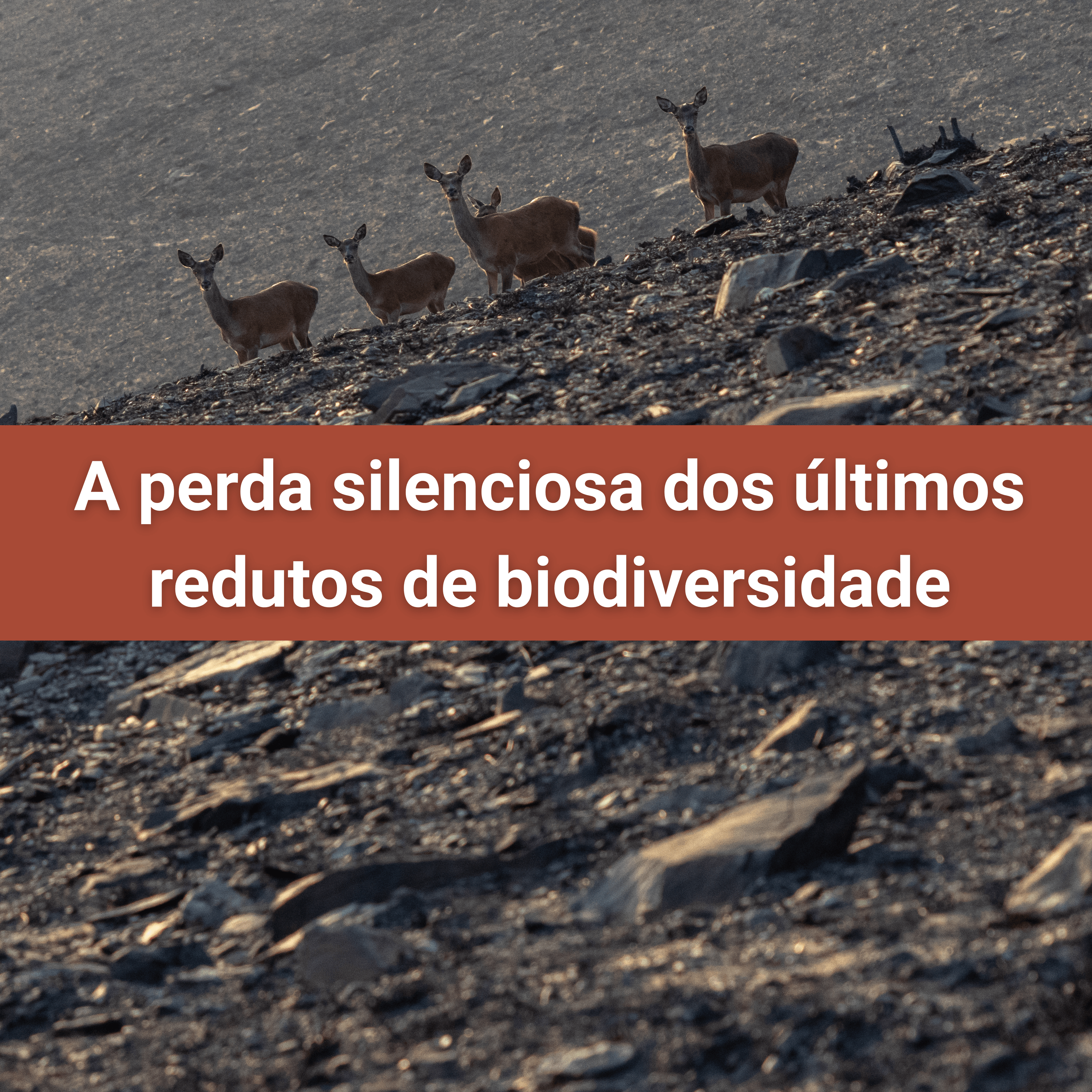
The natural heritage of the Coimbra region is disappearing gradually, imperceptibly and, often, invisibly. The last remaining pockets of biodiversity, which still survive in a largely transformed landscape, are now under intense and constant pressure. In the absence of effective protection, their degradation is not a future possibility: it is happening right now.
Although small in area, these sites harbour a very significant proportion of the region’s biodiversity and ecosystem services. They are vital refuges for native species, some of which are endemic, and regulate essential ecological processes, contributing directly to the resilience of local ecosystems. Nevertheless, they remain without legal protection and are exposed to a range of threats and poor practices which, acting in concert, are accelerating their silent loss.
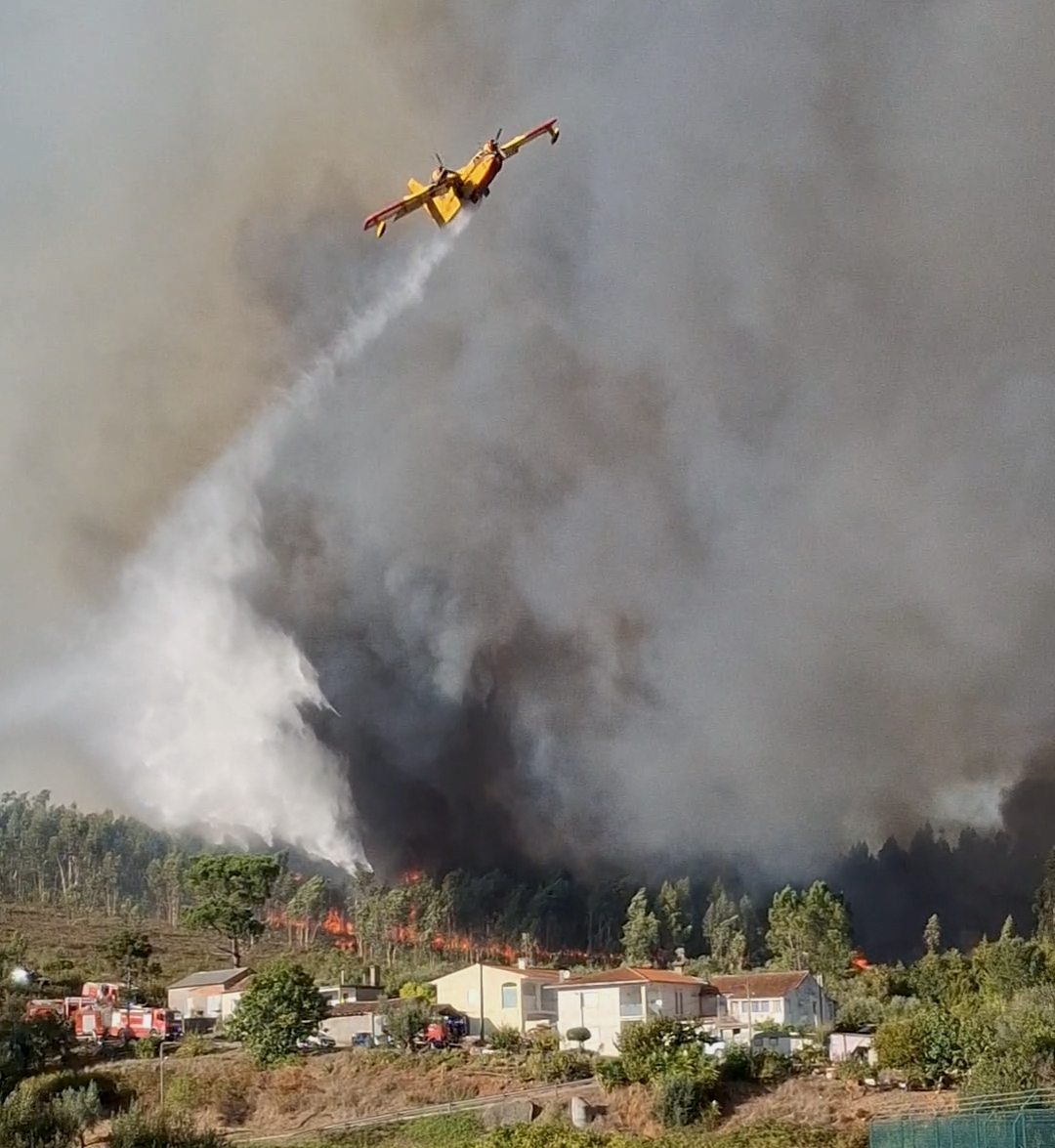
The spread of invasive species is one of the most persistent forces driving change. Species such as acacias rapidly colonise these areas, particularly when they are poorly managed, and displace native vegetation, impoverishing habitats and hindering natural regeneration processes. Left unchecked, this process is cumulative and difficult to reverse. The felling of native woodland, often carried out without due care, has been causing the degradation of sensitive areas. Whether on the initiative of private landowners or as part of fuel management measures, these interventions are, in many cases, resulting in the excessive and non-selective removal of vegetation, destroying fundamental ecological structures and leaving ecosystems more fragile, exposed and impoverished. The installation of solar power stations and other large-scale projects has been taking place in areas of high natural value, contributing to their fragmentation and loss of integrity. The energy transition is essential, but it cannot be achieved at the expense of the last remaining biodiversity hotspots when there are alternatives with a lower environmental impact. Urban development and infrastructure expansion continue to fragment the landscape, reducing connectivity between habitats and isolating populations of flora and fauna. This ongoing process undermines ecological viability in the medium and long term, irreversibly altering the landscape. The proliferation of illegal eucalyptus plantations exacerbates this situation. As well as contributing to the homogenisation of the landscape, these intensive plantations increase the risk of fire, degrade the soil and drastically limit biodiversity. Wildfires, which are becoming increasingly frequent and intense, continue to cause serious disruption to ecosystems. Their recurrence prevents natural recovery and encourages the establishment of invasive species, perpetuating cycles of degradation.
The result is clear and predictable: a continuous degradation of the last remaining intact ecosystems, in a progressive process of biological impoverishment. Against this backdrop, inaction has direct consequences. Every poorly sited development – even when it falls within the legal framework – contributes to further reducing what little remains. The lack of effective legal mechanisms to safeguard these spaces limits the capacity to act and exposes the real vulnerability of these essential natural areas.
Protecting these strongholds is not a symbolic choice, but a strategic and urgent necessity. These biodiversity hotspots account for only a tiny fraction of the territory, but they are essential for ensuring ecological balance, environmental quality and the ability to adapt to climate change. Without urgent and concrete measures for their protection and management, this silent loss will become irreversible.