Morena Bio-Reserve
15 hectares of Mediterranean forest on limestone soil just a few kilometres from Coimbra, with a 35-metre deep cave shaft and iconic regional wildlife.
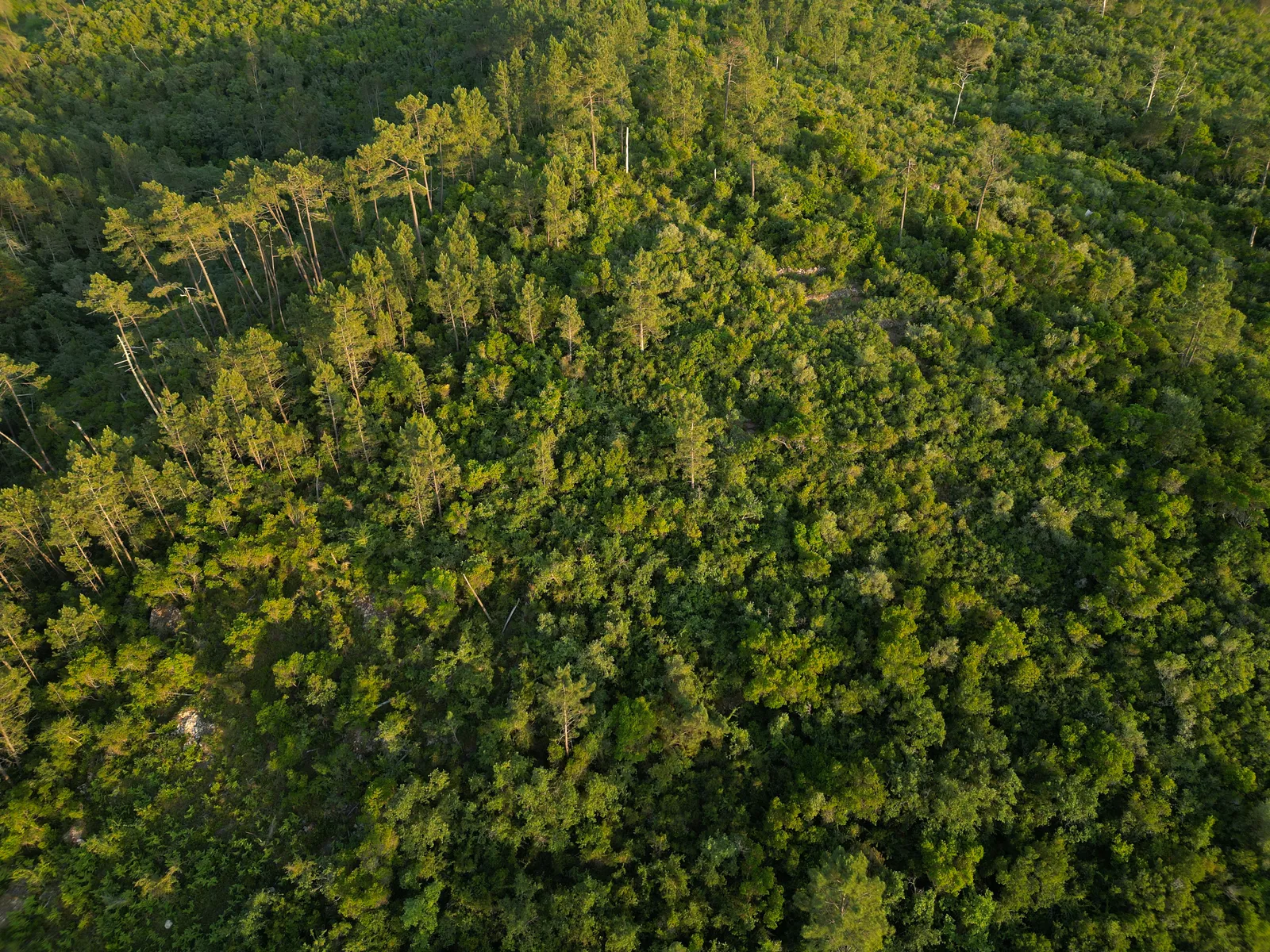
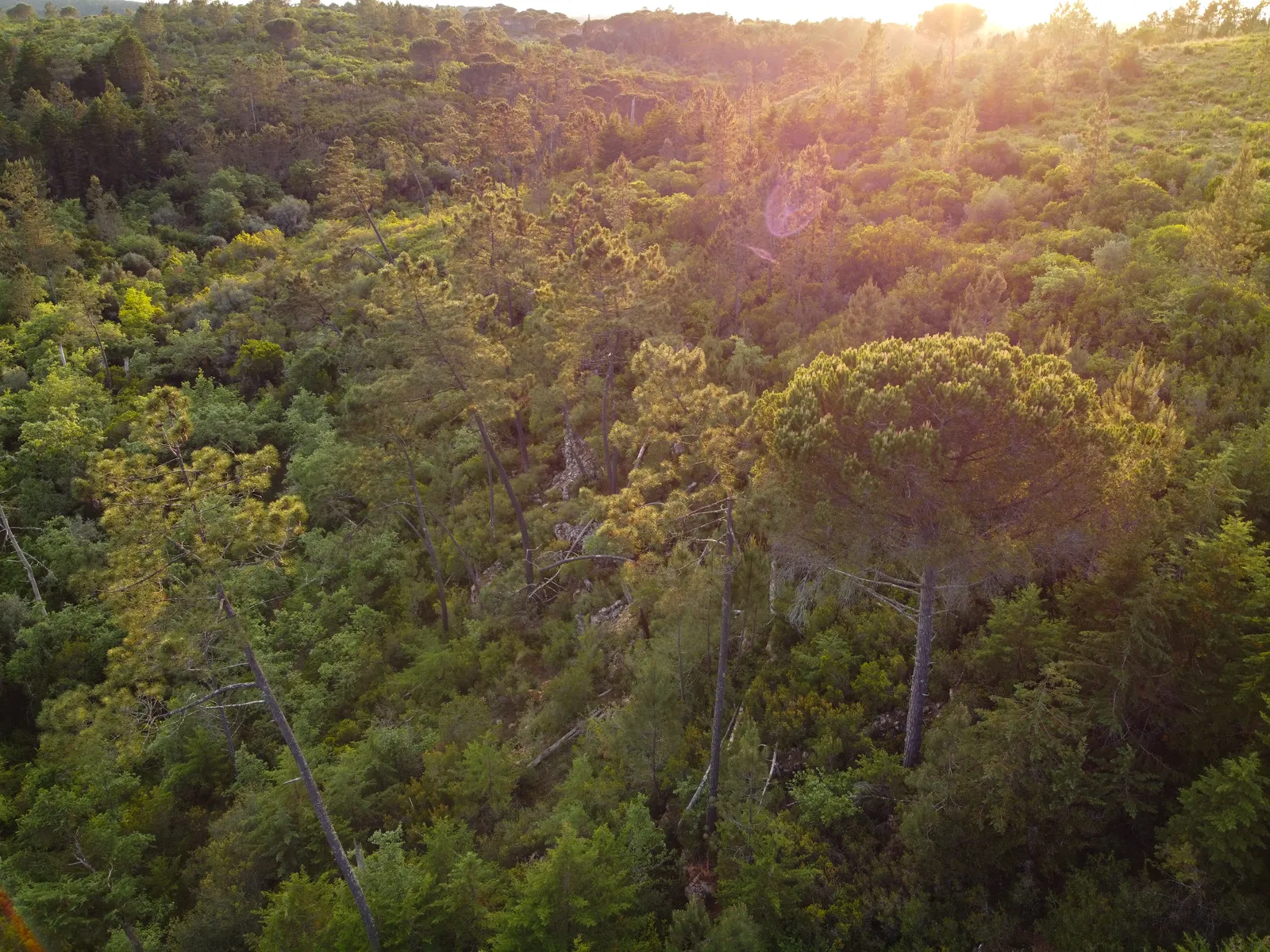
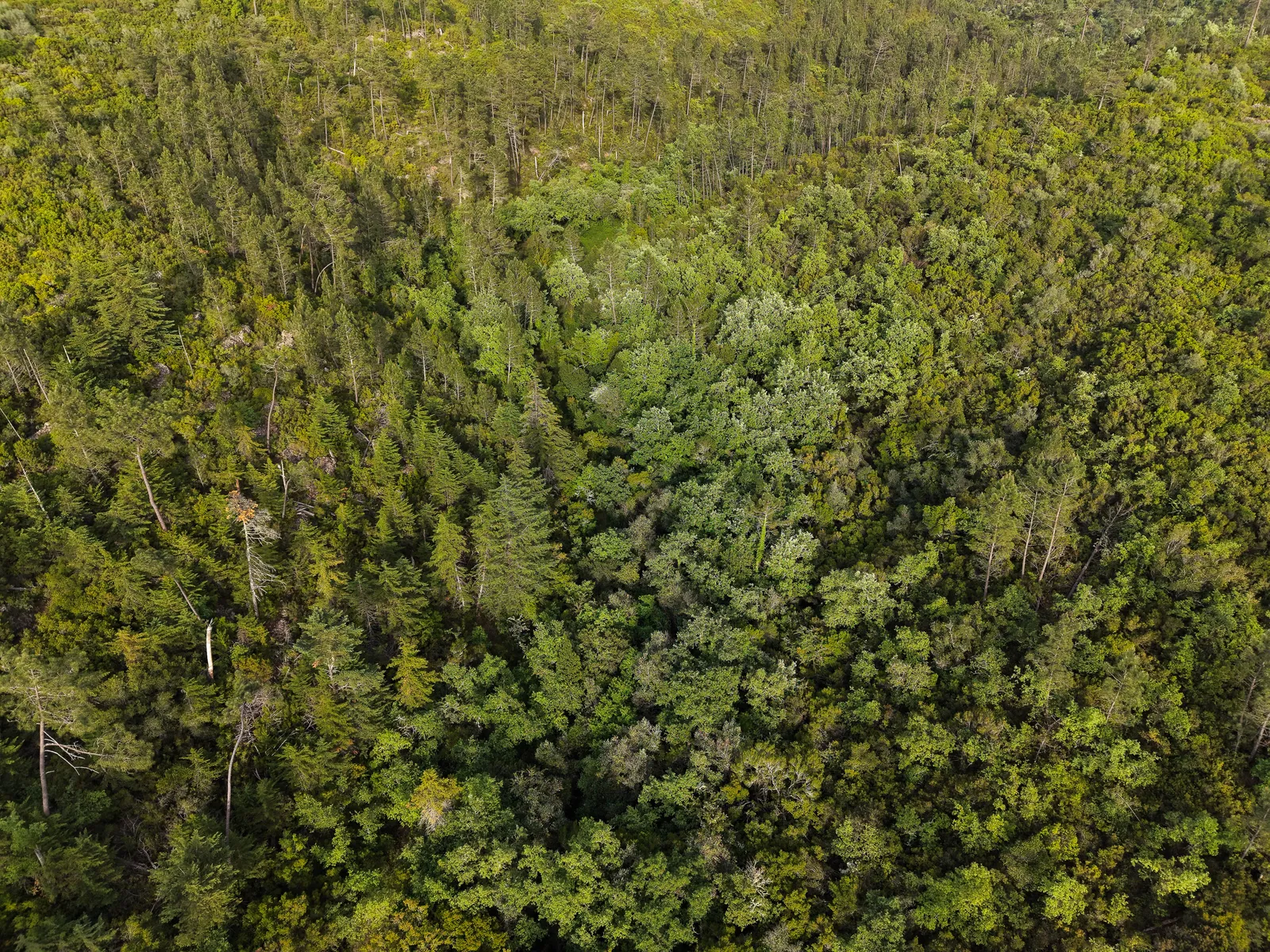
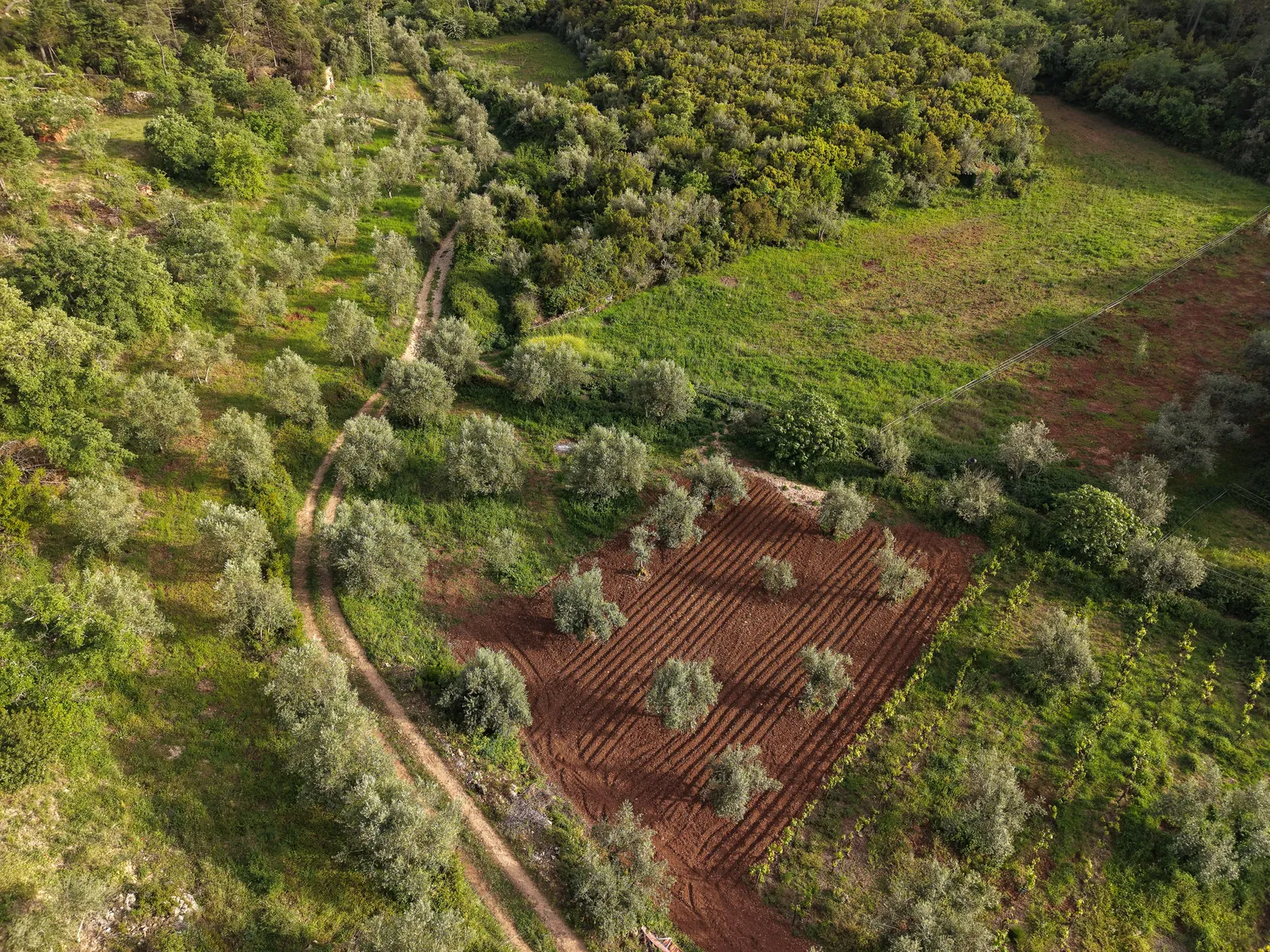
The Morena Bio-Reserve is a forested area of 15 hectares (8 of which are already Milvoz property), located in the parish of Cernache, a few kilometres from the city of Coimbra.
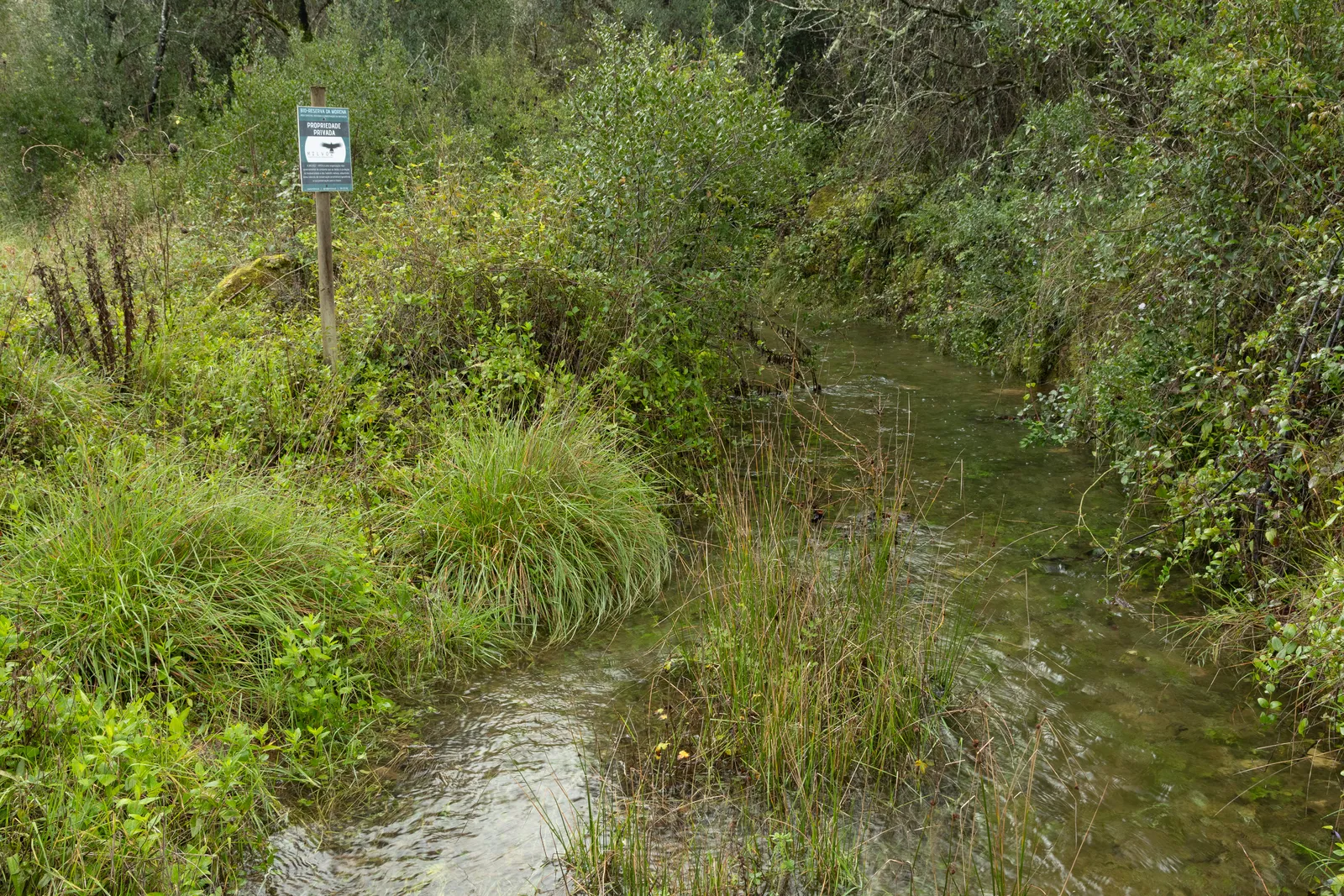
It is situated on limestone terrain with a Mediterranean character, closely resembling the typical landscape of the 'Terras de Sicó', although it lies outside the territory covered by the corresponding Special Conservation Zone. It consists essentially of a south-facing slope, a strip of approximately 1 kilometre in length along a valley, with a width that reaches 250 metres in some areas.
This area is in very good conservation status, forming a highly relevant biodiversity refuge, sheltering numerous animal species, some of which have been displaced after losing their habitat in surrounding territories.
Wildlife
From a faunal perspective, this Bio-Reserve hosts all the iconic large species of the region: beyond the wild boar and roe deer, which are widespread today, we find the red fox, Eurasian badger, common genet, stone marten, Egyptian mongoose, red squirrel and European rabbit.
Birdlife also finds excellent conditions here, with notable occurrences of raptors such as the Montagu's harrier, northern goshawk and Eurasian eagle-owl, as well as forest birds like the Eurasian green woodpecker, great spotted woodpecker, Eurasian jay and spotless starling.
Of particular note is this area's importance as a roost for flocks of hundreds of wintering thrushes, especially the redwing. The tit community is equally diverse, benefiting from the installation of dozens of nest boxes in partnership with the Centre for Marine and Environmental Sciences at the University of Coimbra.
Flora
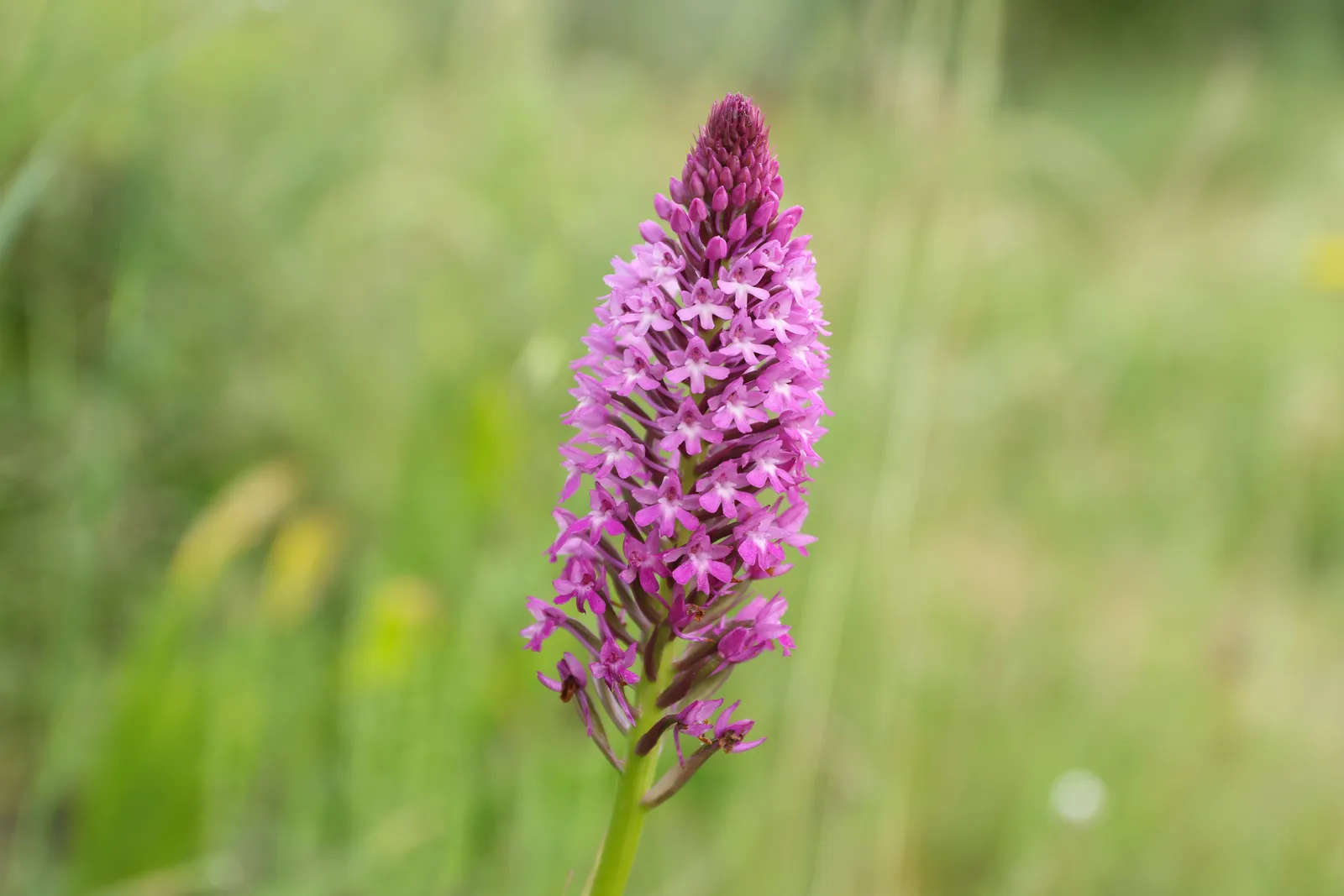
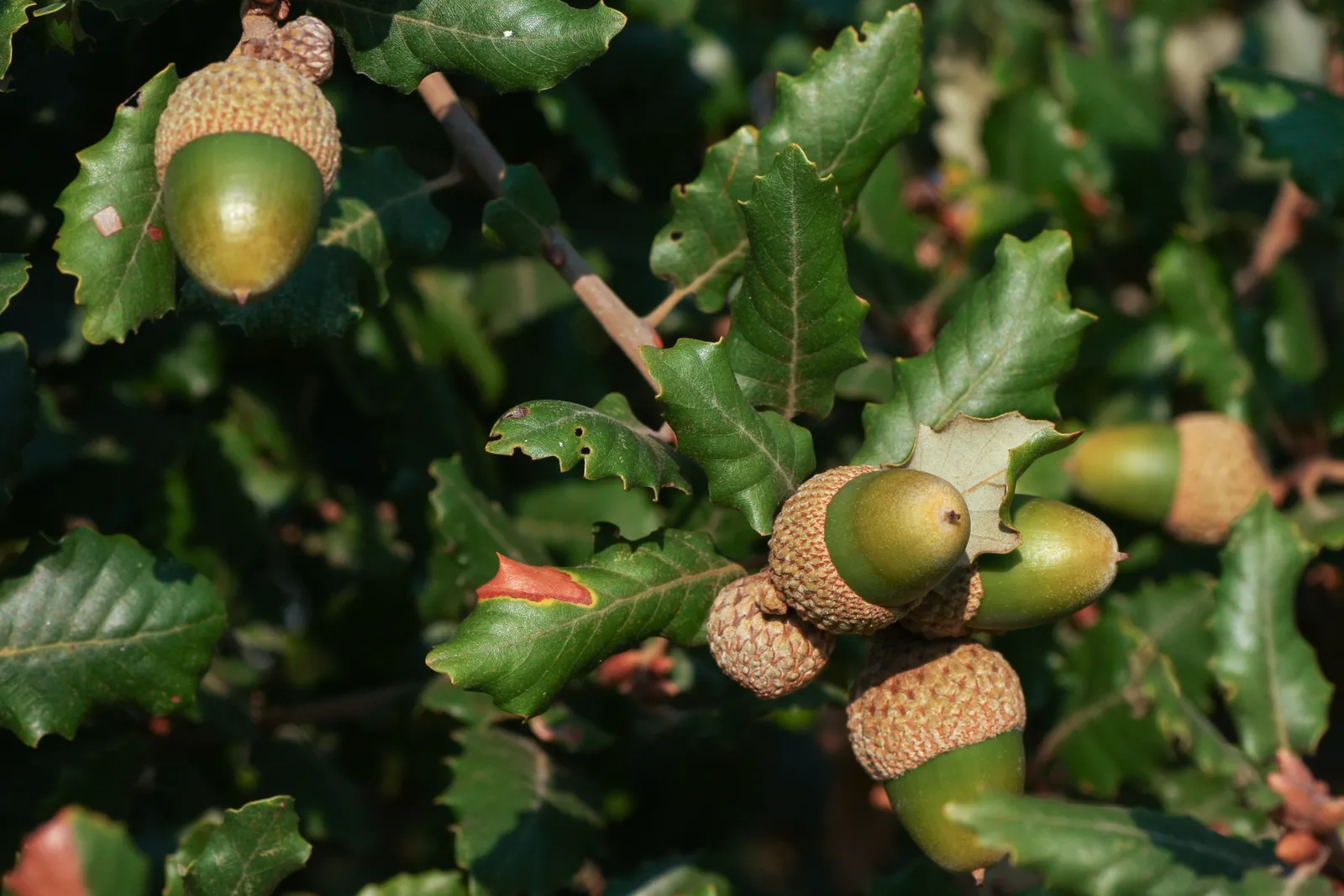
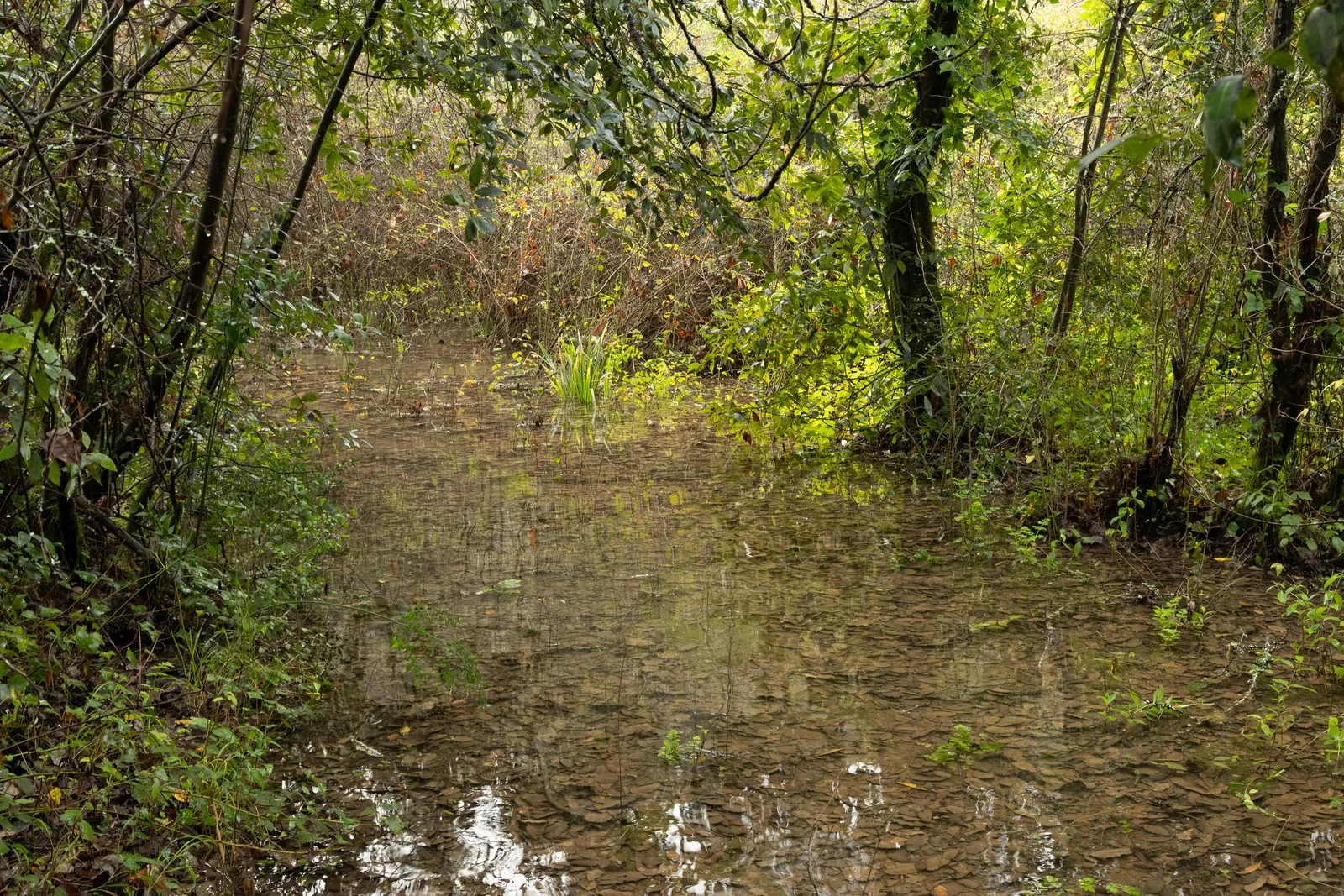
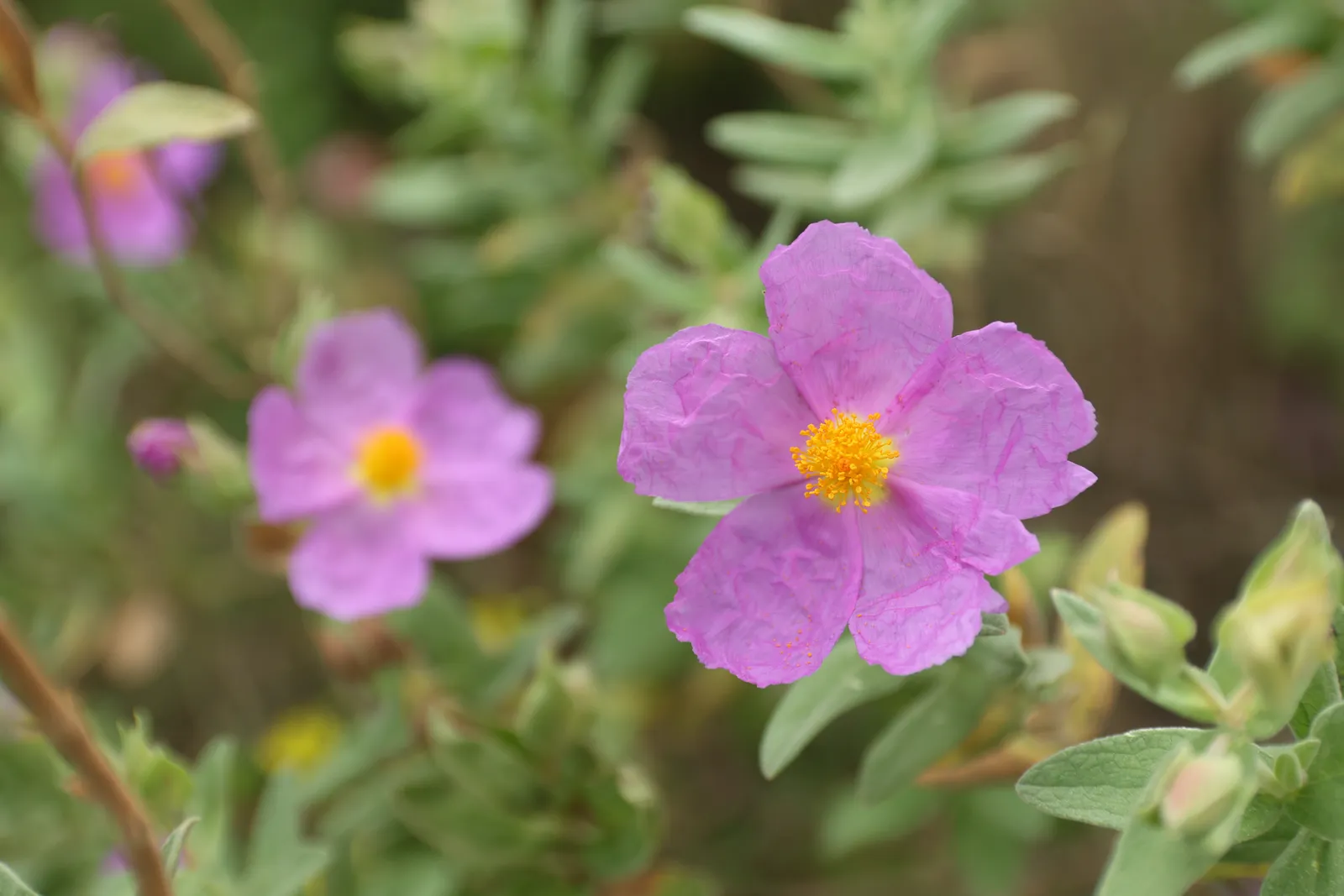
Floral diversity is remarkable, with notable stands of Portuguese oak coexisting with old stands of stone pine, maritime pine and cypress. Other characteristic species of this habitat type are also present, including abundant kermes oak and strawberry tree, alongside a great diversity of aromatic plants. The profusion of lichens, mosses, fungi and ferns is especially apparent in the more humid areas. The absence of invasive plant species within this Bio-Reserve is, in the current context, a remarkable fact.
The Algar da Morena
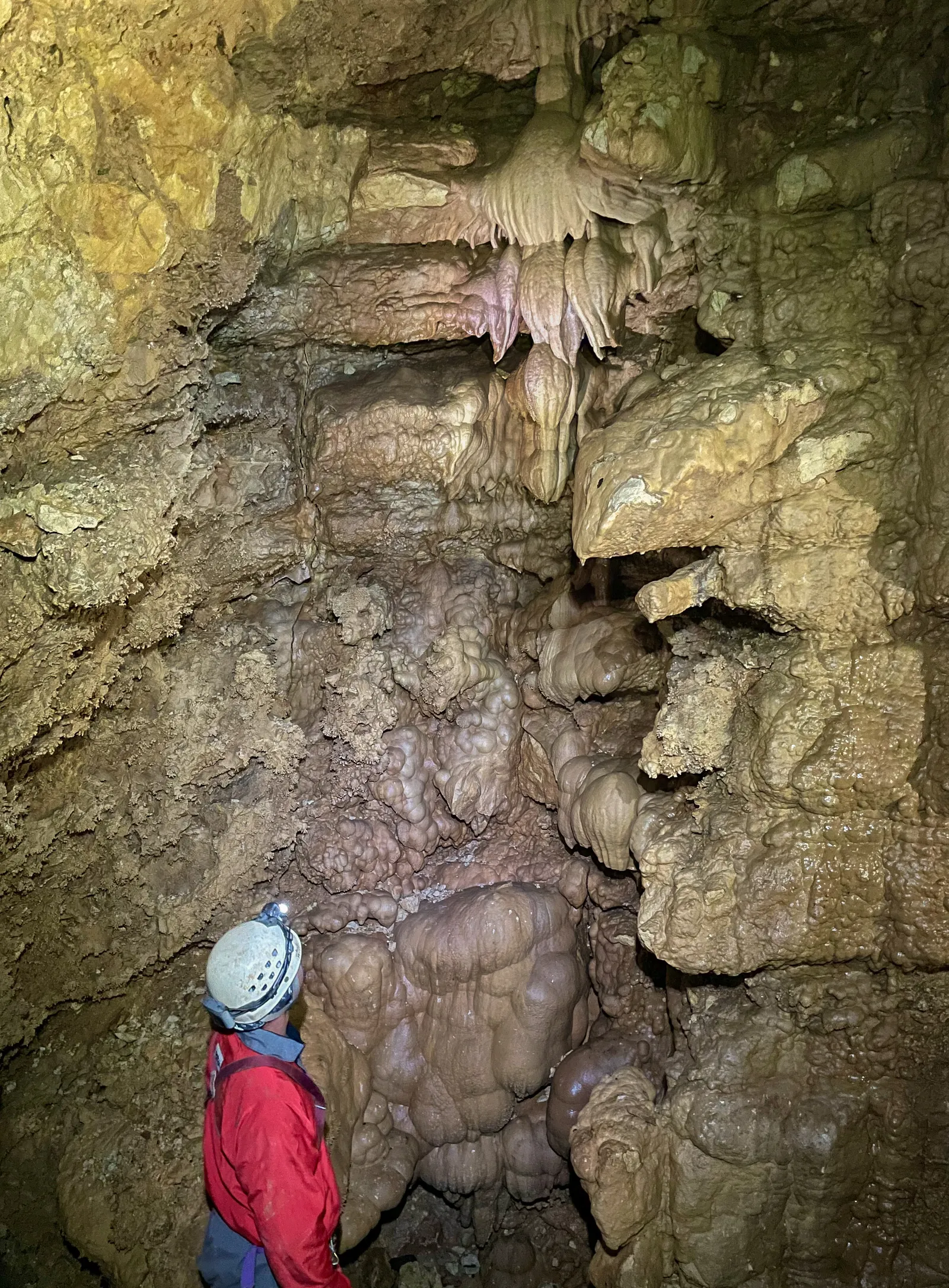
The name of this Bio-Reserve refers to its significant geological — and biological — heritage: the 'Algar da Morena', a vertical cave approximately 35 metres deep.
This underground cavity formed over millennia from the erosion of the underlying limestone massif by rainwater that exploited a natural fault to drain downwards, most likely reaching the water table extending below along the valley floor.
The word 'Morena' evokes an imaginary world rooted in the Arab presence on the Iberian Peninsula: 'The enchanted Moorish women are one of the most common themes of popular legend and superstition in Western Europe. They are classified as malevolent deities, feminine water spirits, guardians of enchanted treasures hidden at the centre of the Earth.'
Get Involved
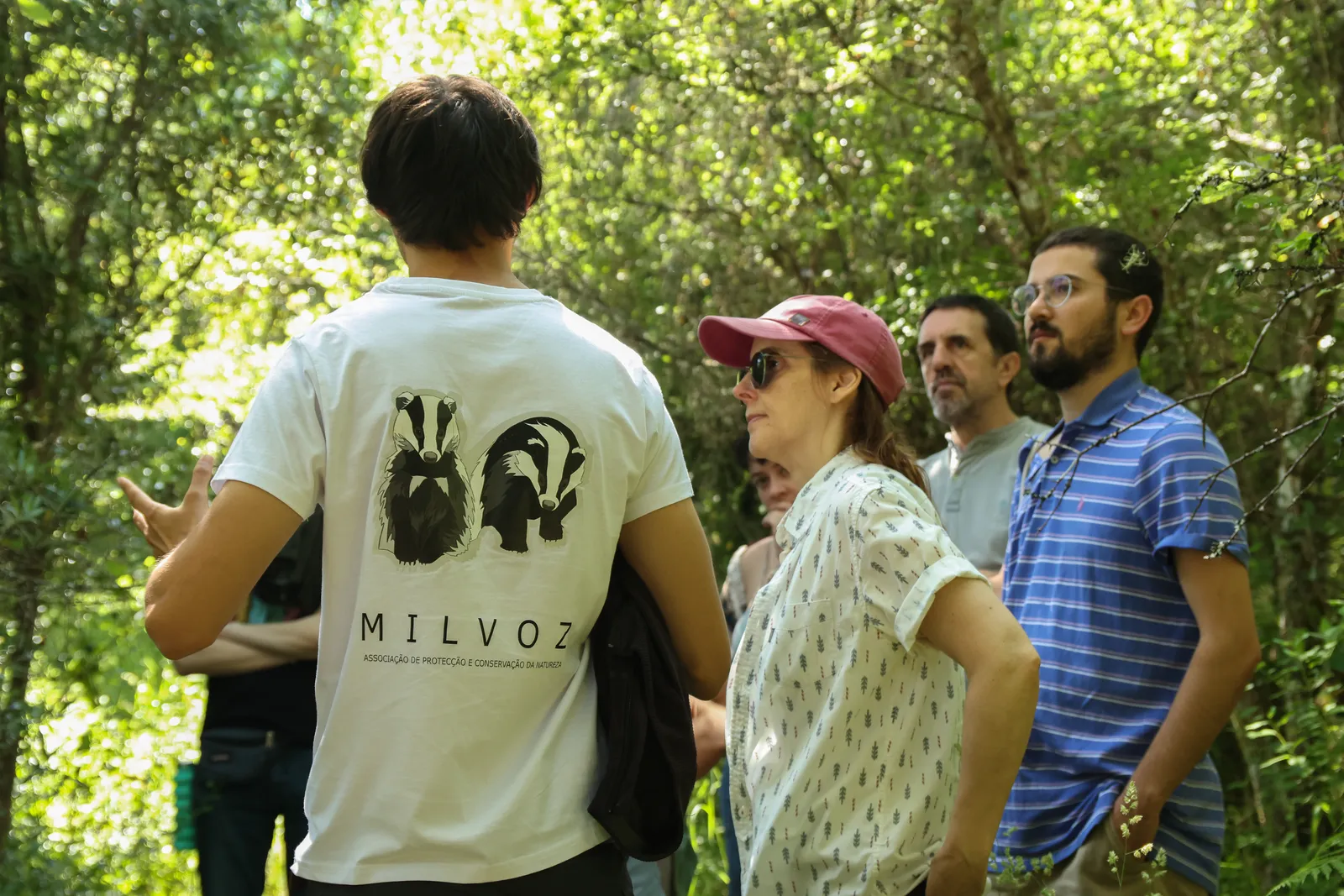
Like the Senhora da Alegria Bio-Reserve, a Guardians Group has been created for the Morena to monitor and maintain the space. If you would like to join the project and take part in its activities, please contact us.
Cernache, Coimbra · 40.12967°N, 8.44594°W