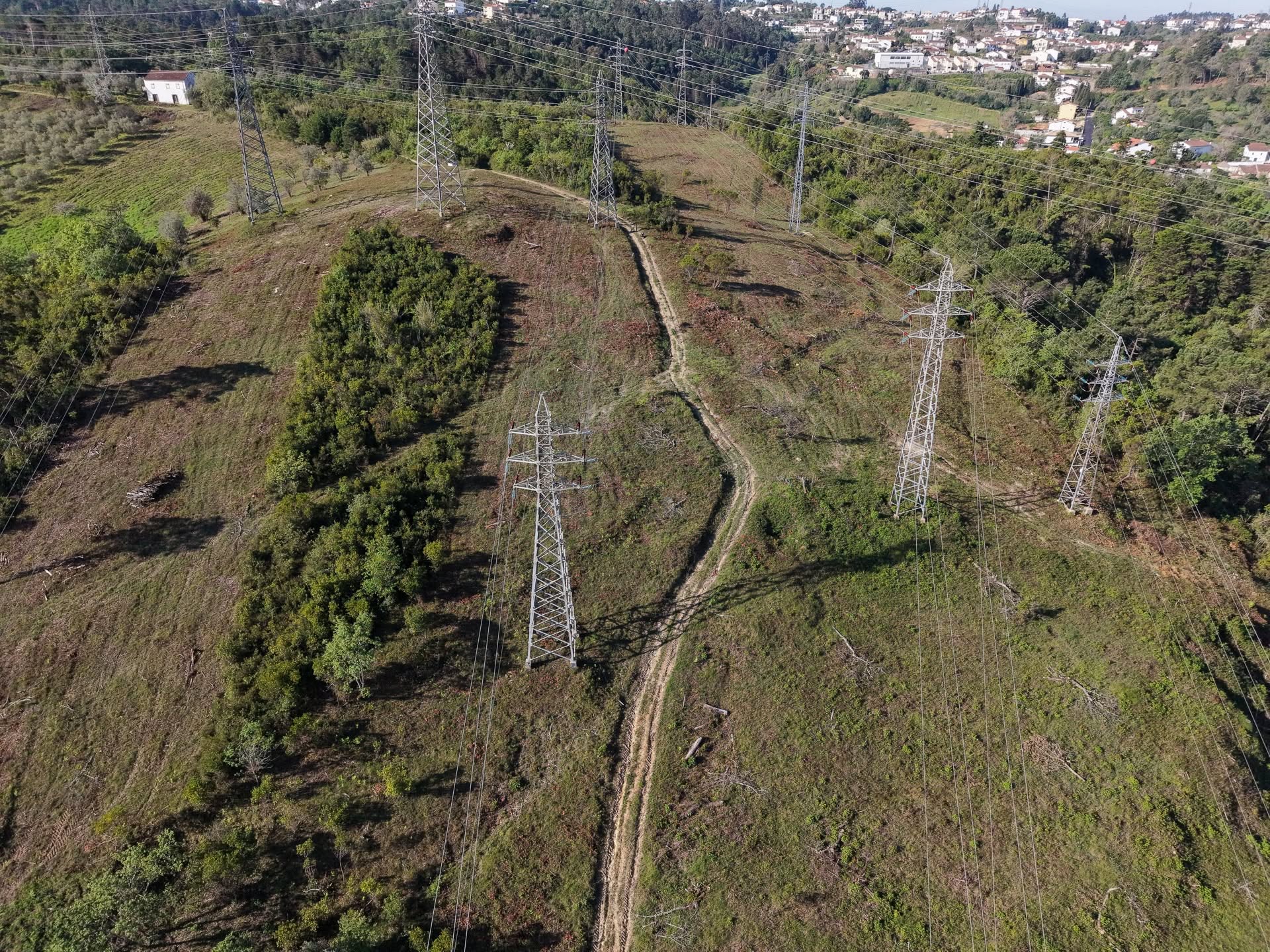
Massive clear-cutting continues to take place along corridors managed by E-Redes on the outskirts of Coimbra, devastating areas in good condition in the peri-urban zone, as well as densely populated areas with a low risk of fire. These practices are unsustainable, disproportionate and entirely unjustified, particularly given that Order 675/2026 (Portuguese law) came into force in January 2026, which enshrines the need for differentiated management tailored to the local context.
This same order recognises the importance of measures to increase vegetation density and provide shade, promotes the integration of native broadleaf forests as a compatible land use, and safeguards sensitive habitats, protected species and ecological structures. On the ground, however, we are witnessing the opposite: permissive decisions, a lack of clear technical criteria and a failure to enforce regulations, which allow for the arbitrary destruction of ecosystems and the consolidation of clear-cutting as an increasingly common practice.
Through the coordination of the Movement "Faixas Vivas", we had already drawn attention to these very same weaknesses in a document sent to the ICNF in December last year. Whilst we welcome significant progress, we emphasise the excessively permissive nature of many provisions, which allow for the conservation of deciduous forest areas (provided there is no risk of collision with power lines and that vertical discontinuity of fuel is ensured) without, however, imposing any obligation to follow best practice or make sensible decisions. No formal qualifications are required of the technicians responsible, which paves the way for the continuation of widespread practices: clear-cutting, which is technically cheaper but causes enormous damage in terms of erosion, loss of biodiversity, the establishment of invasive species and the proliferation of fine fuels, which are far more flammable. The conservation of native forests, which today cover less than 5 per cent of the region’s forested area, cannot be left to the discretion of the technician in question based on convenience or availability: it must be a clear and binding obligation!
We urgently need to break away from this approach of immediate, costly and highly damaging responses. We need structural solutions that integrate fire management, biodiversity and climate risks, and practices that strengthen native ecosystems rather than depleting them. The substantial public and private investment made must be used to regenerate the land, not to devastate it!
Milvoz is currently in contact with E-Redes, offering its services to monitor and support the implementation of more appropriate and environmentally friendly practices in the region’s most sensitive areas.