Updated: 4 Sep 2025
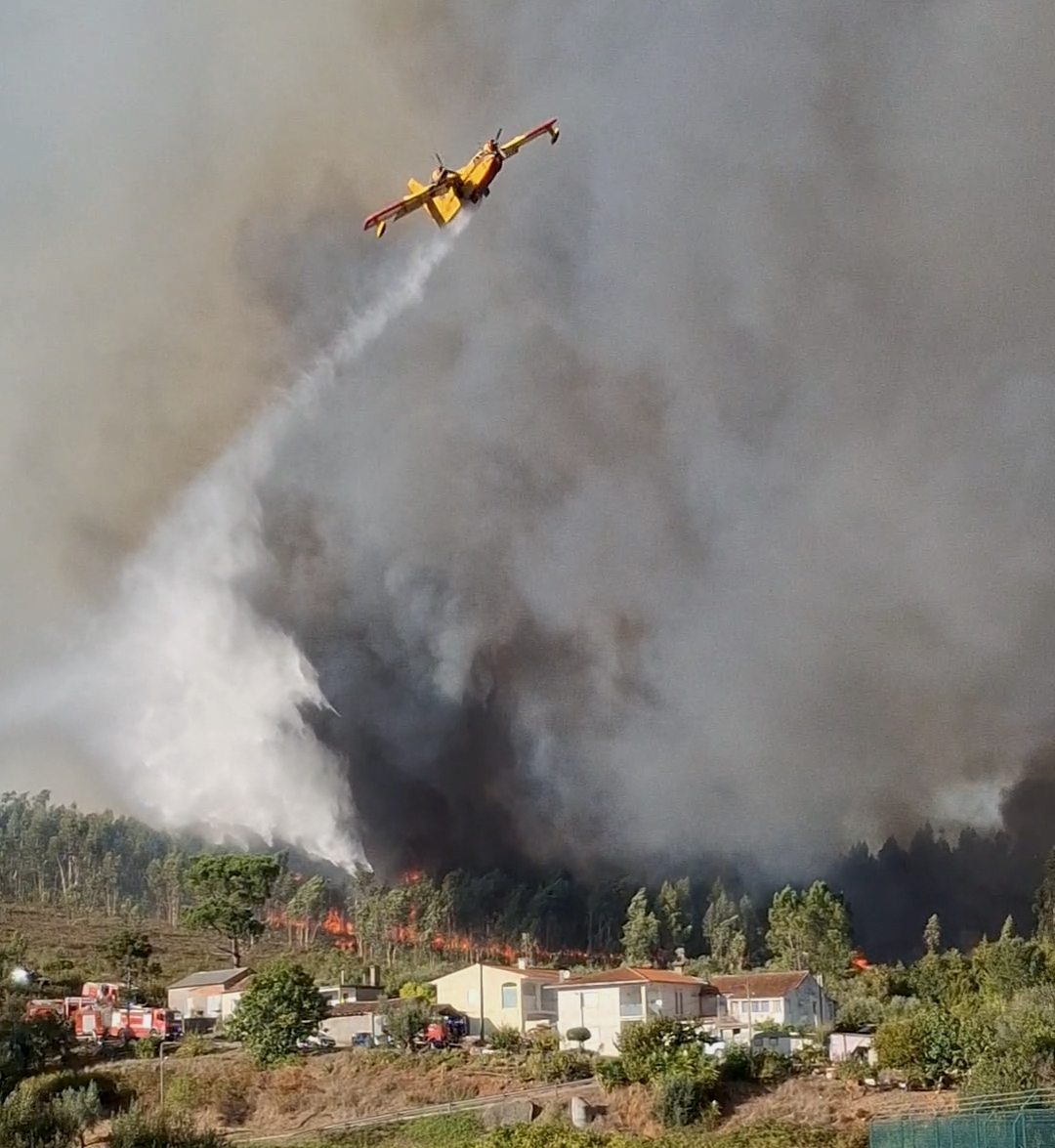
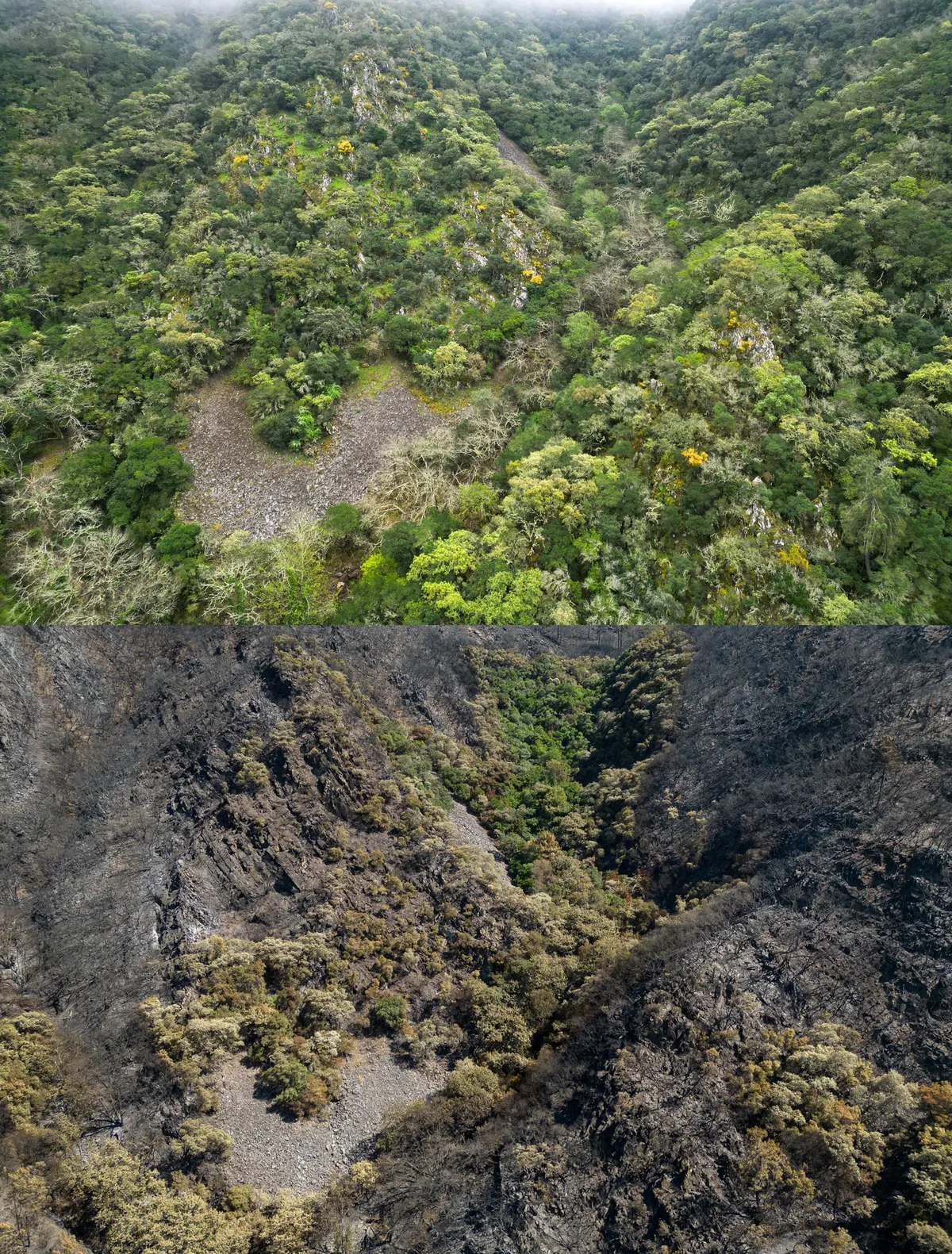 The fire that broke out on the 14th in Candal, a schist village in the Serra da Lousã, took on an overwhelming scale and violence within a matter of hours. Fuelled by highly dangerous forested areas dense with acacia, eucalyptus and pine, the fire front grew rapidly and sparked new outbreaks, making the situation uncontrollable. By late morning of the following day, the Vale da Aveleira Integral Bio-Reserve was already surrounded by flames, in a scene marked by extremely high temperatures and extreme wind events.
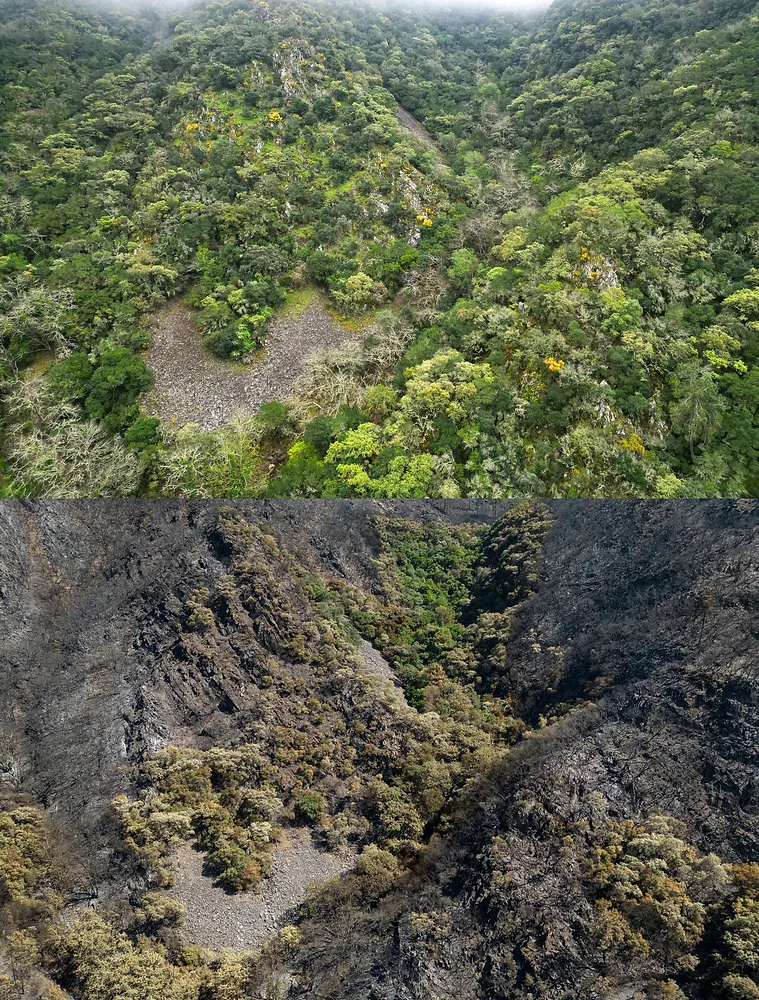
It was under conditions of tremendous violence that the fire entered the woodland, affecting the majority of its area. The scene after the fire passed is devastating. The little green that survived on the Bio-Reserve's hillside is, even so, found in the valleys and steep ravines of this conservation area and adjacent watercourses, which burned with far less intensity and locally halted the fire's advance. However, the damage to its plant cover is severe, in what is a true ecological calamity that irreversibly compromises the future of its ecosystems. Much of the mature habitats succumbed to the fire or were severely affected: the climax strawberry-tree woodland, the holm oak groves, the privet stands, part of the cherry laurel woodlands and countless centuries-old chestnut trees. The ecological losses are immeasurable in what was one of the few ancient forests still surviving in the Centro region of Portugal.
The intense proliferation of acacia in the Serra da Lousã — a problem Milvoz has repeatedly warned about — has reached colossal proportions, the result of the apathy and inaction of the Institute for Nature Conservation and Forests (ICNF), as well as repeated poor practices by forestry operators. Now, this invasion will further compromise the recovery of the mountain's ecosystems. The vast seed bank of this invasive species, accumulated over decades, was activated by the passage of fire and will also germinate in areas that had remained preserved, jeopardising their ecological regeneration.
This tragedy has those responsible, who will be held to account. In an area of recognised conservation importance, integrated in the Natura 2000 Network, the Portuguese State has accumulated more than 10 years of non-compliance. During that time, active management measures should have been implemented to preserve this Special Conservation Zone and to prevent tragedies such as those that have just occurred. The neglect of the country's natural heritage is reflected in the state of abandonment to which the mountain range has been condemned, which now sees some of its last most valuable refuges deeply affected.
Milvoz will shortly issue a more detailed response and will carry out a field survey, with the aim of identifying priority areas for the development of a strategic ecological restoration plan, directed at the most naturally valuable zones. We appeal to the union of citizens and organisations who share the desire to act for a more sustainable future for the Serra da Lousã, so that together we can drive forward solid initiatives for the recovery of the region's natural heritage.