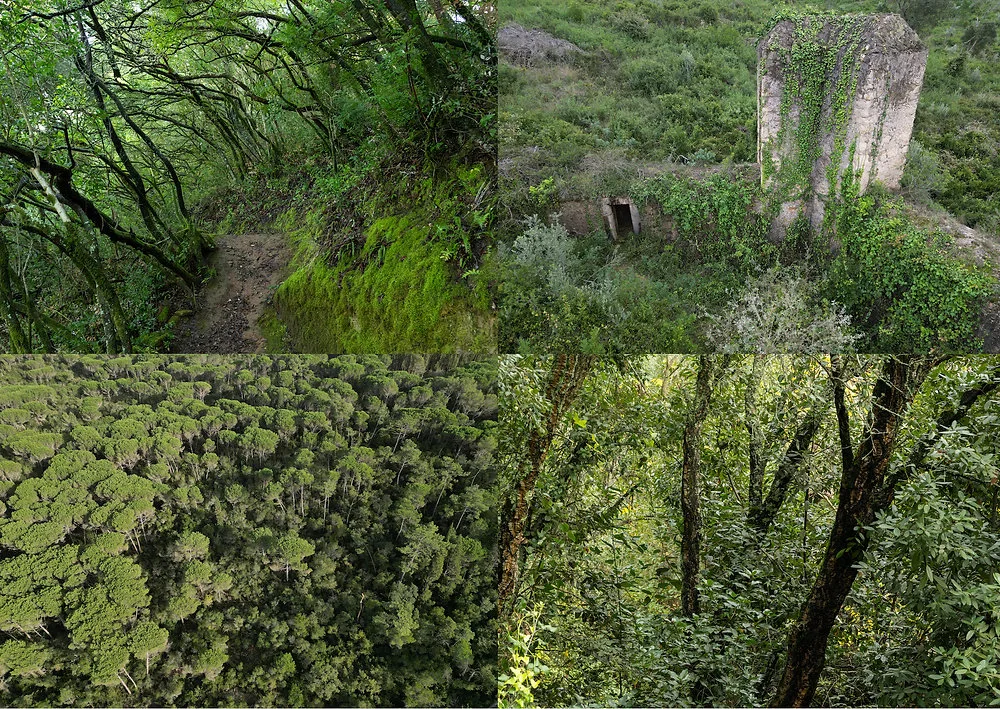
In recent years we have been following with growing concern the state of biodiversity in our region, particularly in the municipality of Coimbra, where the vast majority of forest cover is dominated by eucalyptus monocultures and areas infested with invasive species. The few remaining areas of multifunctional, biodiverse forest face increasing pressure and real risks of degradation.
In partnership with the Coimbra City Council, Milvoz has been working to protect the last biodiversity hotspots in the municipality. Through INTERREG funding, the Council presented a project to create a municipal micro-reserve network. Milvoz, contacted for this purpose, identified 36 priority areas for the conservation of biodiversity and ecosystem services in the municipality.
These areas represent only about 5% of the total municipal area, but if properly protected they can guarantee the conservation of a very significant fraction of Coimbra's natural wealth for future generations.
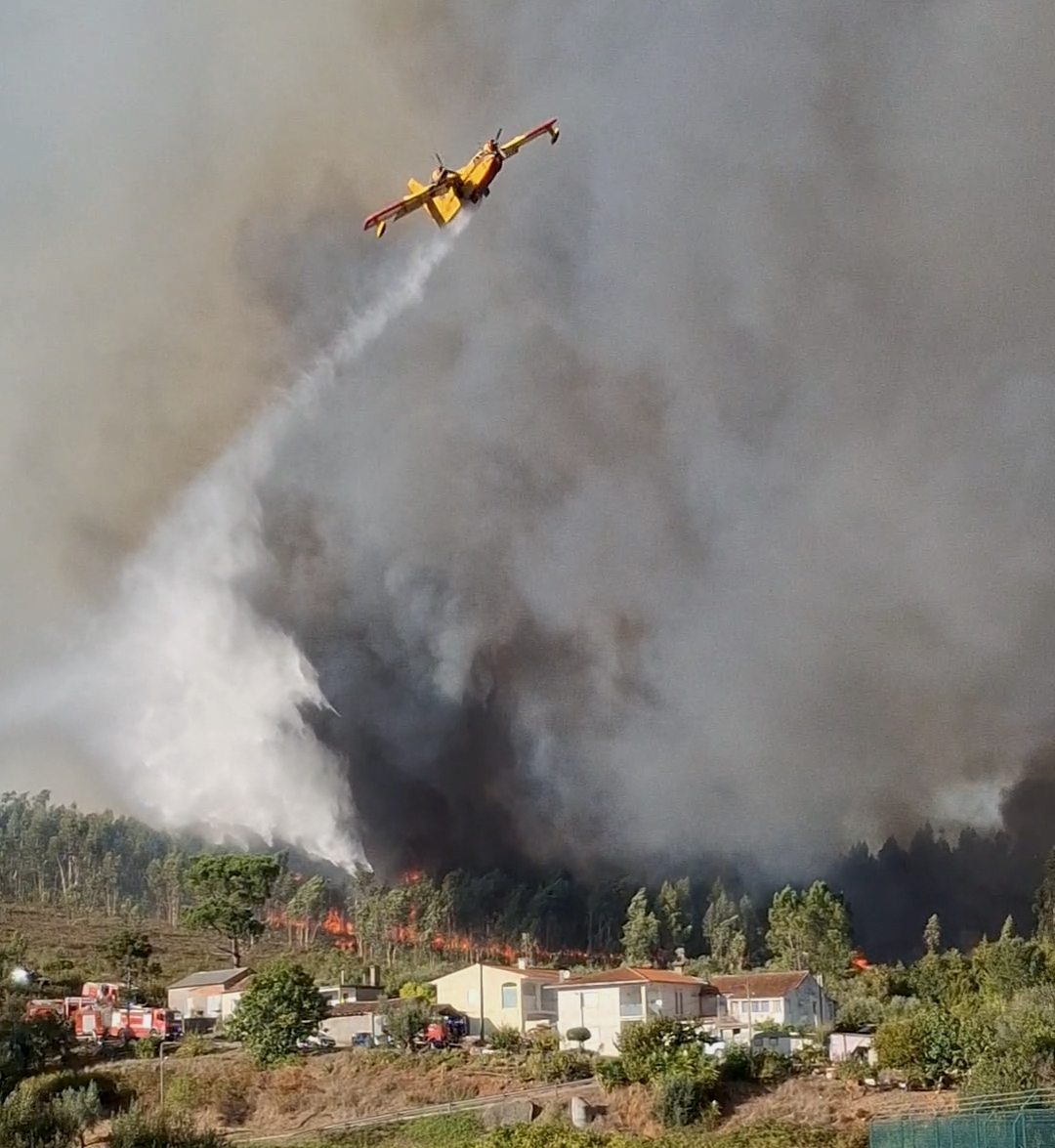
However, the pressure on these areas has been increasing at an alarming rate — especially over the last two years. Of the 36 biodiversity hotspots identified, two have already been completely destroyed, just months after the Coimbra City Council officially announced its intention to create the micro-reserve network. Among the priority areas, 24 have already been severely impacted by indiscriminate cutting associated with the misapplication of fuel management strips. This situation, compounded by invasive species encroachment, has been seriously compromising the ecological integrity of these sites.
As if that were not enough, new threats keep emerging. The construction of solar farms has already compromised two of the identified zones, and timber theft remains a growing problem, stemming from a lack of enforcement and monitoring. Various infrastructure projects continue to impact these sensitive areas disproportionately, even when viable alternatives with far lower environmental impact exist.
This is a worrying scenario and, above all, an unacceptable one. How can it be that, with the majority of the municipality's territory available for such projects, it is precisely the 5% priority areas to be protected that bear the brunt?
Just 5%! That is all we ask — the protection of 5% of the municipal area, enough to safeguard the most valuable ecosystems still remaining. But it is precisely these 5% that risk disappearing if urgent action is not taken.
Coimbra has the opportunity to lead
Coimbra can establish itself as a modern, responsible and visionary city. This project has the potential to put the municipality on the map — not just nationally, but internationally — as an example of sustainable planning, where endogenous natural resources are valued and placed at the service of communities.
We therefore call on Coimbra City Council to take urgent measures to advance the creation of the micro-reserve network and guarantee the protection of these essential ecological areas. The moment is now. If we do not act, we risk losing a historic opportunity to make Coimbra an example of sustainable development and environmental stewardship.
Coimbra can — and must — be a city that respects, values and protects its natural assets, securing a competitive future that is attractive to talent and investment, and recognised as a benchmark in sustainable urban planning.
Let us not let this opportunity slip away!