Atualizado: 17 de nov. de 2023
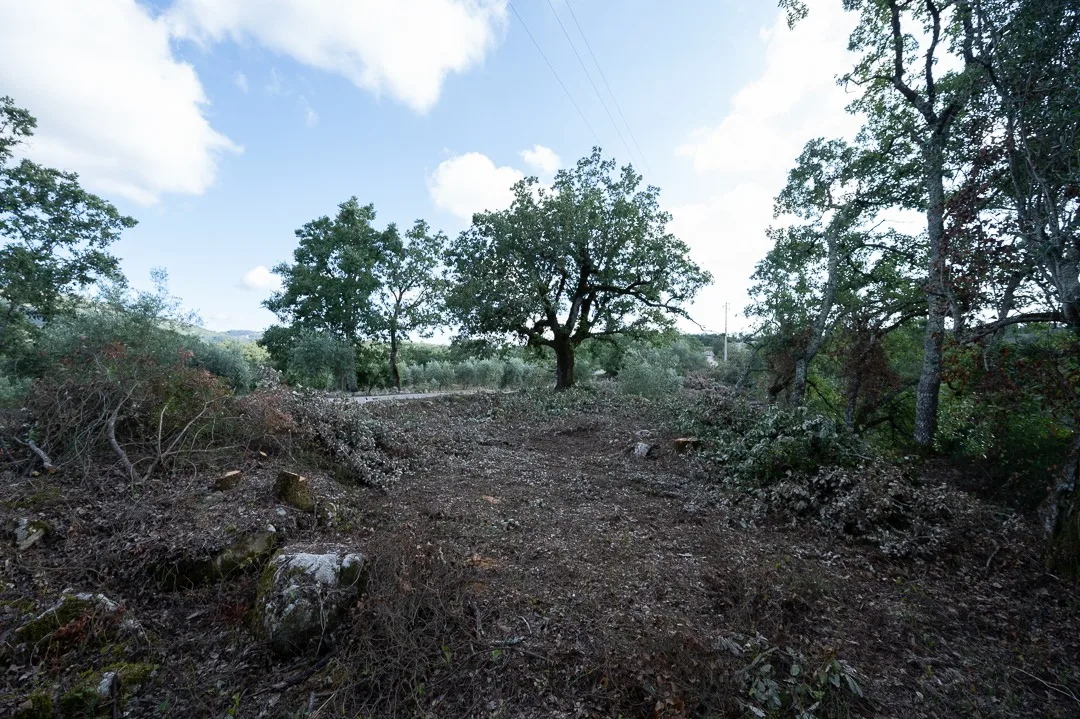
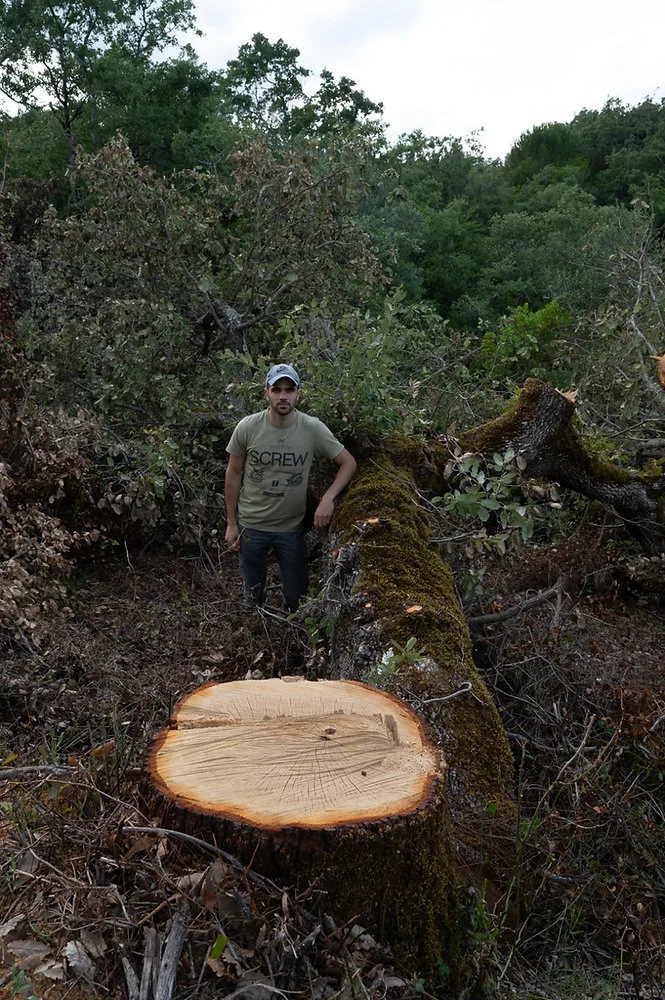
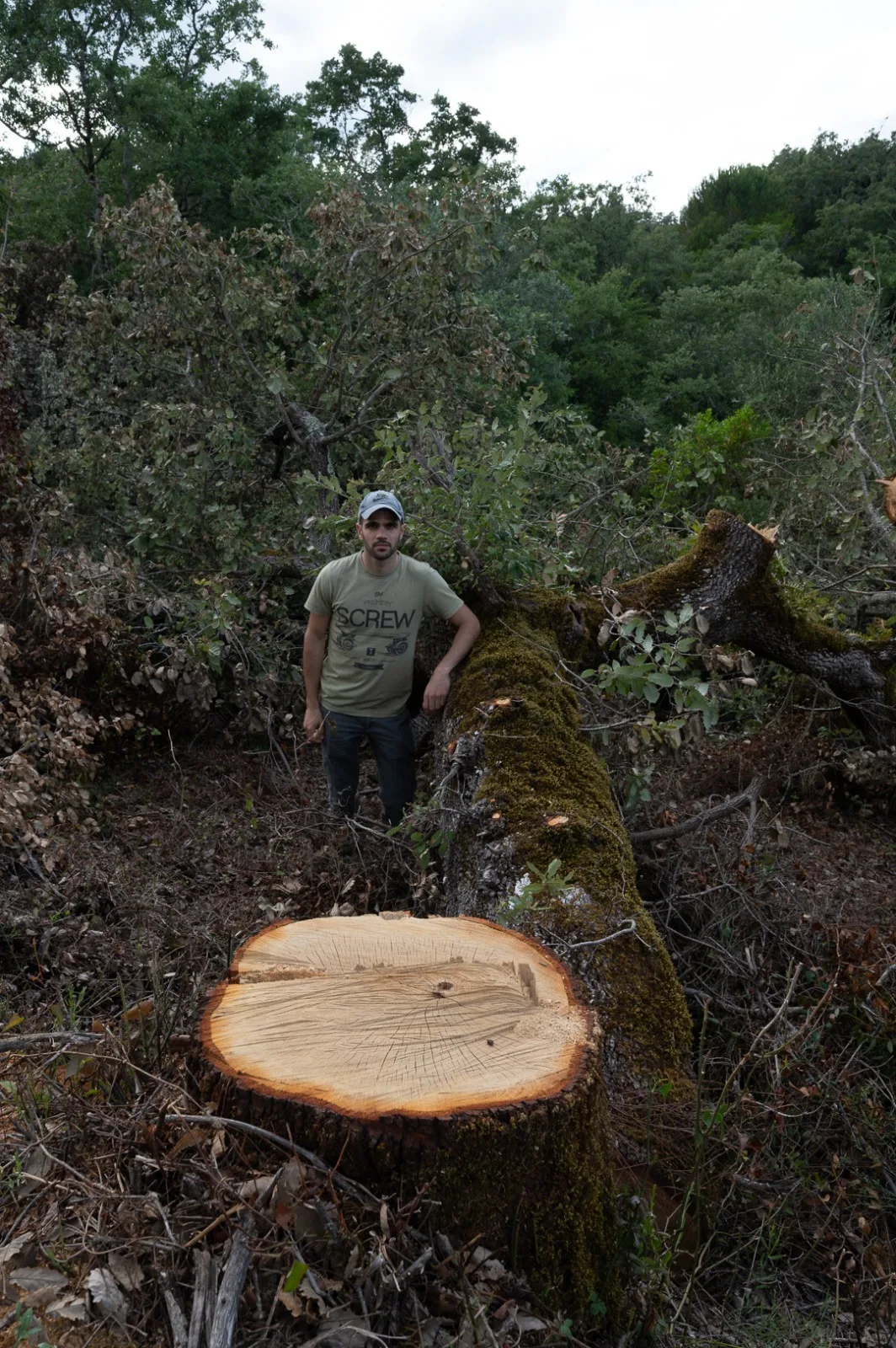 Several large Portuguese oak trees were felled in Reguengo do Fetal, within an E-REDES fuel management strip. Indiscriminate and unfounded interventions are multiplying across the country, with the approval and inaction of the ICNF.
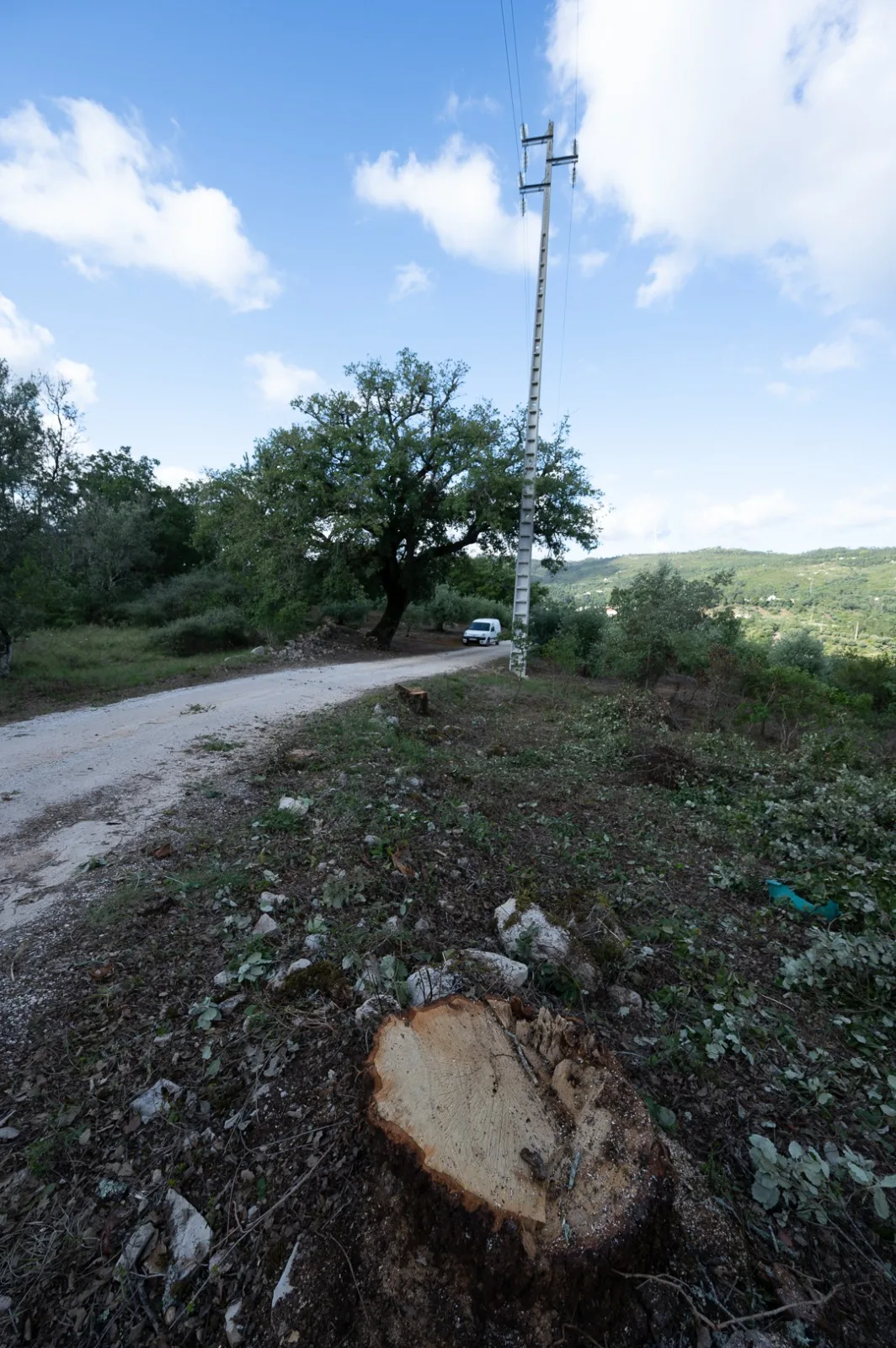 Over recent years, the Portuguese territory has been falling victim to a widespread implementation of fuel management strips — a practice that, in the form it is being applied, is of low effectiveness and is frequently counterproductive, as has been demonstrated by the scientific community. Meanwhile, the national arboreal and biological heritage is being depleted, strongly contravening several aspects of environmental legislation. Even so, the investment of hundreds of millions of euros in these interventions (primary, secondary and tertiary networks) is planned through to 2025, notably under the Recovery and Resilience Plan.
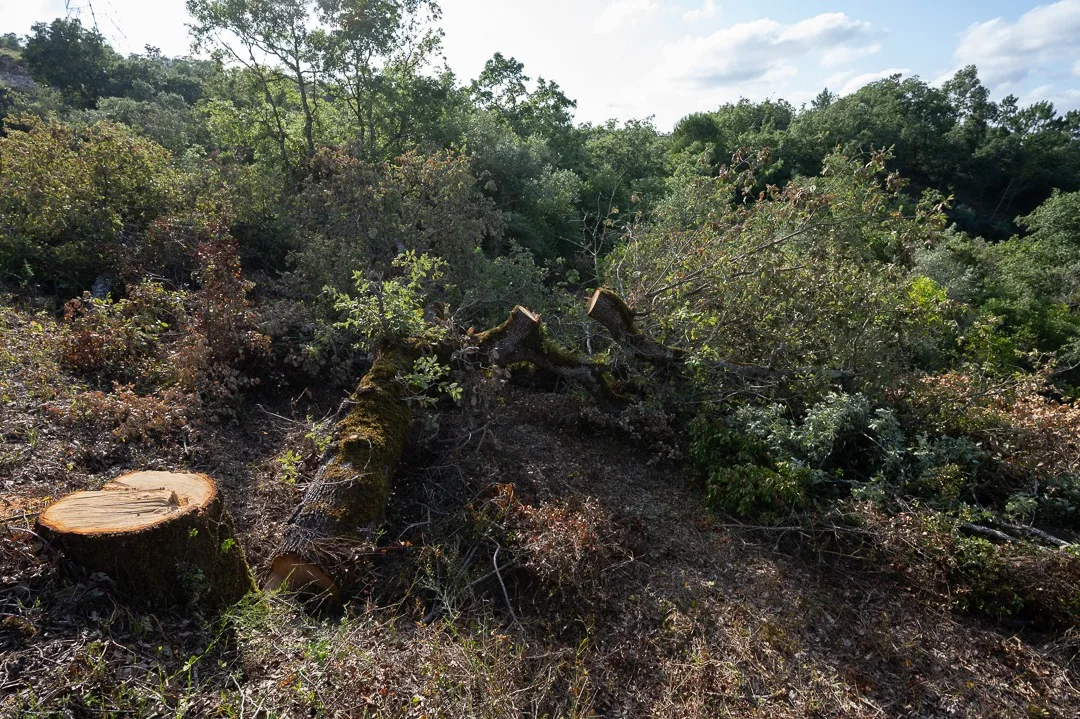 Since the beginning of the year, Milvoz has already identified numerous cases of abusive felling in the region and has filed several complaints. The criteria being applied in these interventions prove to be overly generic on the ground, regardless of whether the site in question is in a remote area or on the outskirts of a settlement, in an agricultural or forested area, in an oak grove or a eucalyptus plantation. Species are not differentiated — even rare native specimens of priority conservation status are being felled — and the few criteria that are sometimes applied do not even take into account the edaphoclimatic characteristics of the site or its orography. Riparian galleries along watercourse banks are being completely cleared, as are woodlands of high cultural or landscape significance. Carried out throughout the spring, these interventions also have a significant impact on birdlife, destroying nests in the middle of the breeding season.
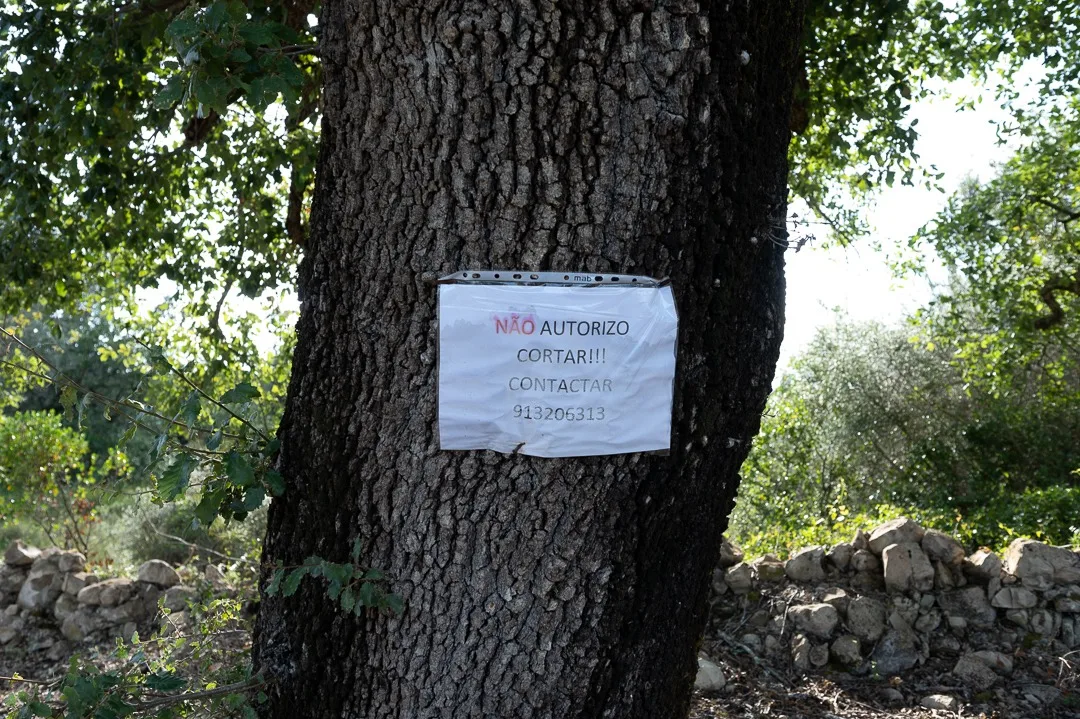 Instead of taking advantage of deciduous broadleaf trees for their characteristic ability to maintain soil moisture under their canopies, oaks, chestnuts, willows, alders and many other native deciduous species are being indiscriminately felled — even as scientific recommendations include the densification of broadleaf stands in fuel management strips as a measure to increase their effectiveness in creating barriers against fire spread. In the absence of technical or scientific justification for removing tree canopy cover within these strips, the ongoing destruction of the potential of deciduous trees is incomprehensible.
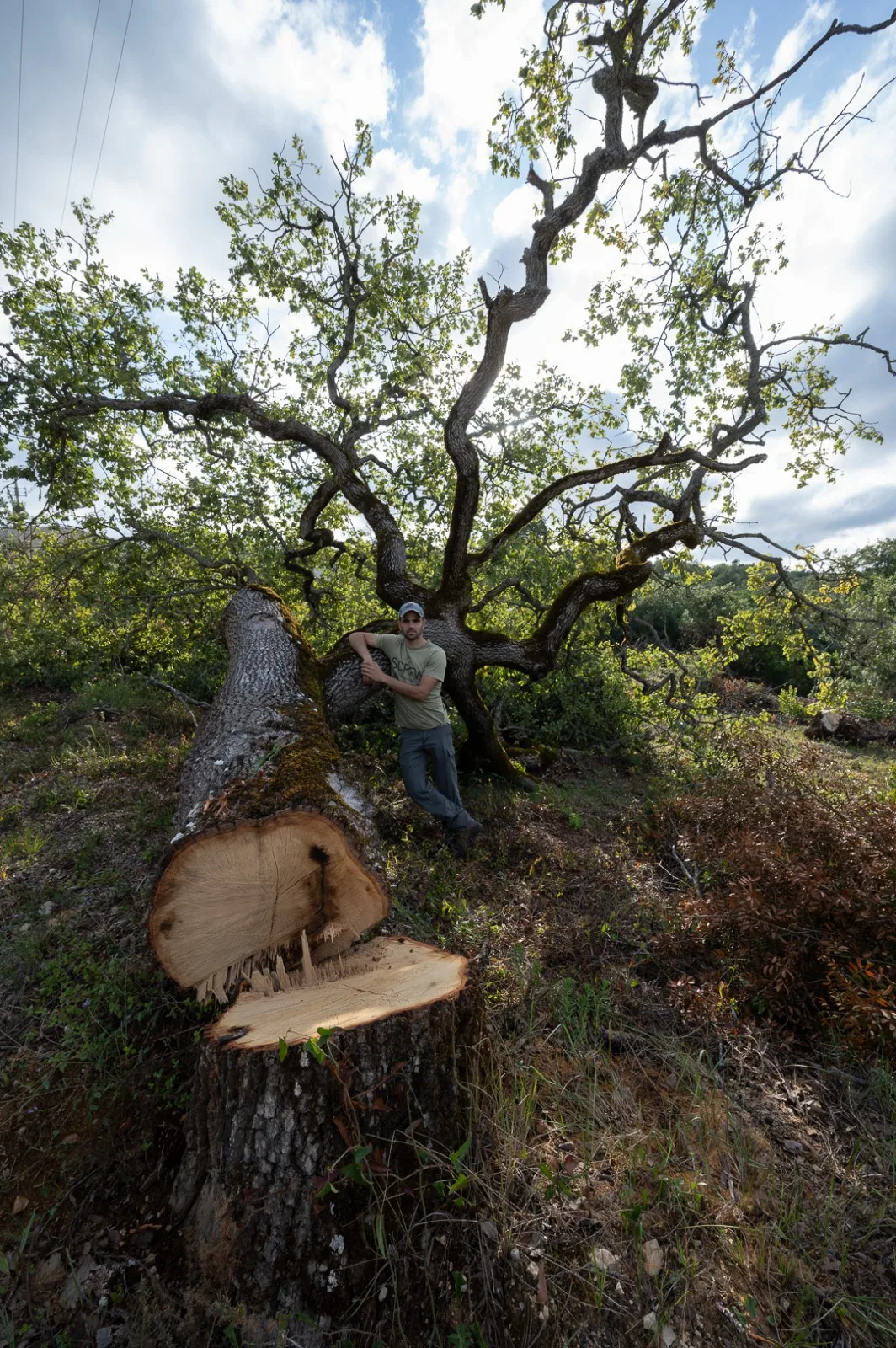 In the face of these unfounded and damaging interventions, Milvoz strongly condemns not only the deficient legislation in force, but also the apathy and subservience of the Institute for Nature and Forest Conservation, which is not acting effectively to revise the criteria for vegetation management. Additionally, the entities managing the areas subject to intervention, as well as those carrying out these works, frequently act without any sensitivity or common sense, contravening existing regulations and good practice guidelines.