Atualizado: 17 de nov. de 2023
As atividades de gestão ambiental na Bio-Reserva Senhora da Alegria no âmbito do projeto "Bio-Reserva Senhora da Alegria: um projeto para benefício do território e da comunidade", financiado pelo Fundo Ambiental, continuam a bom ritmo.
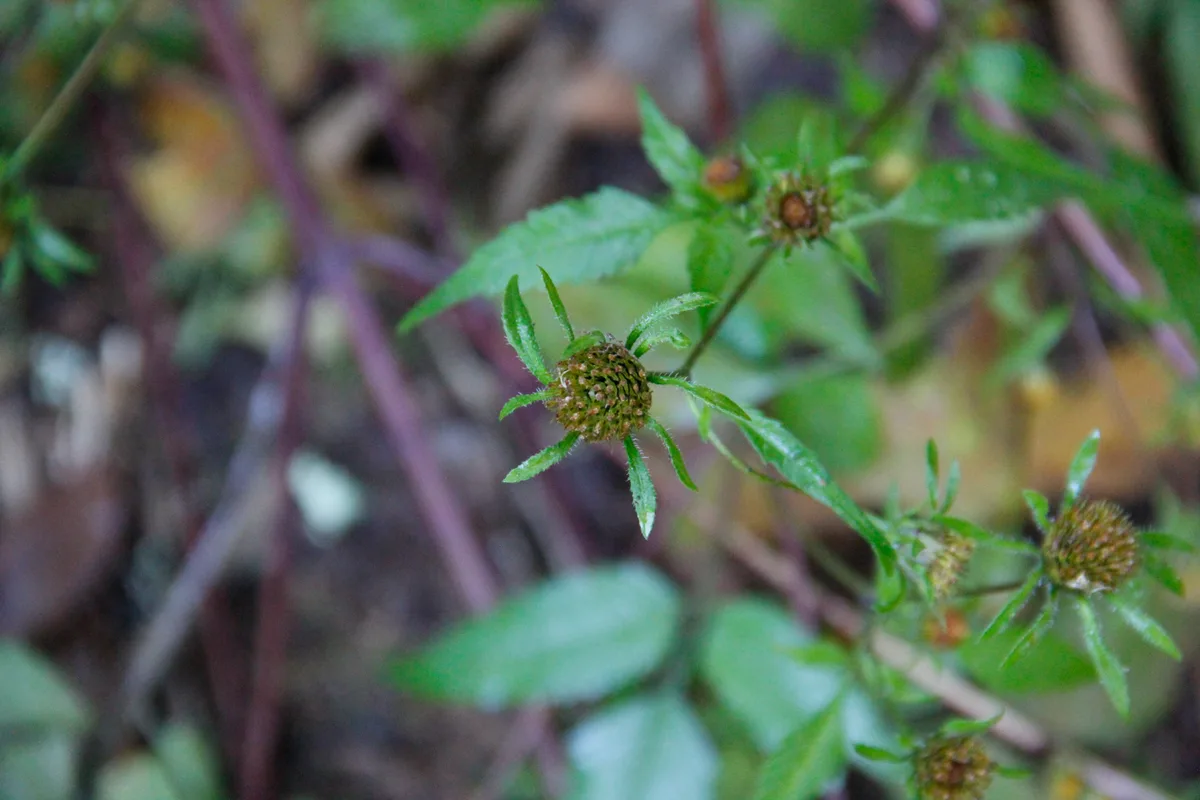
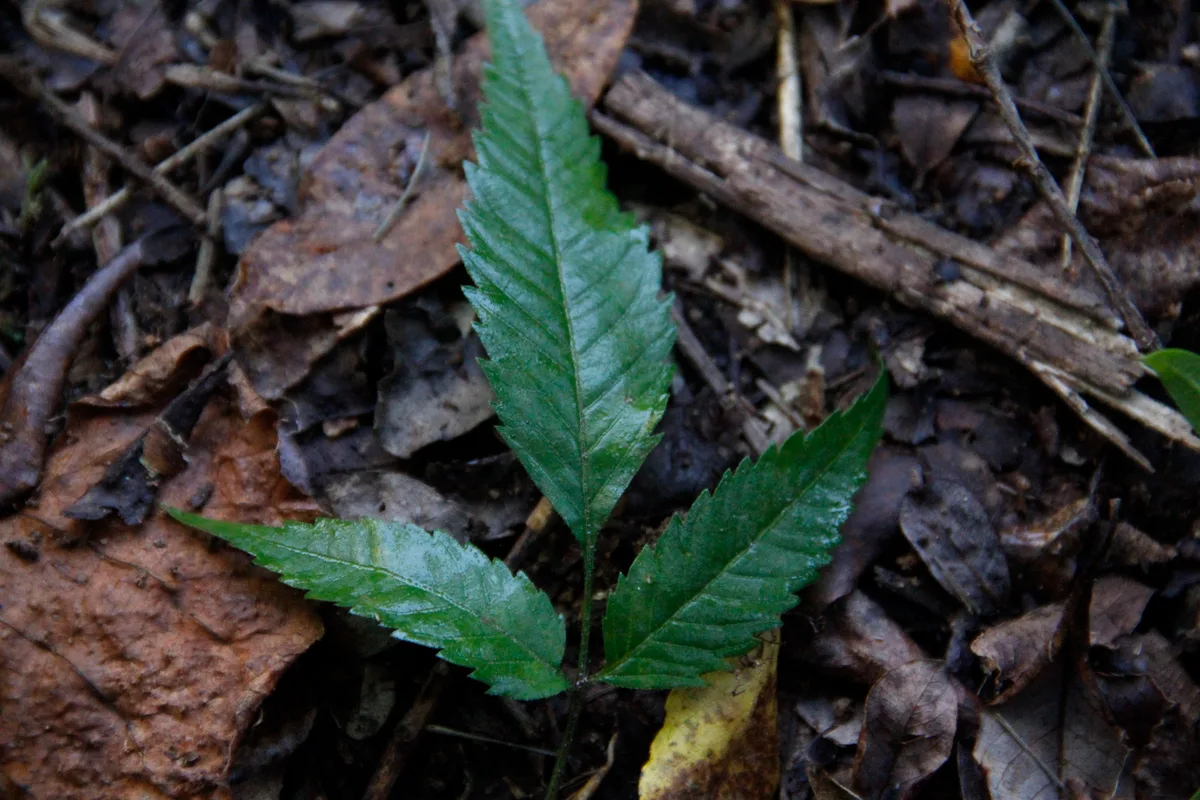
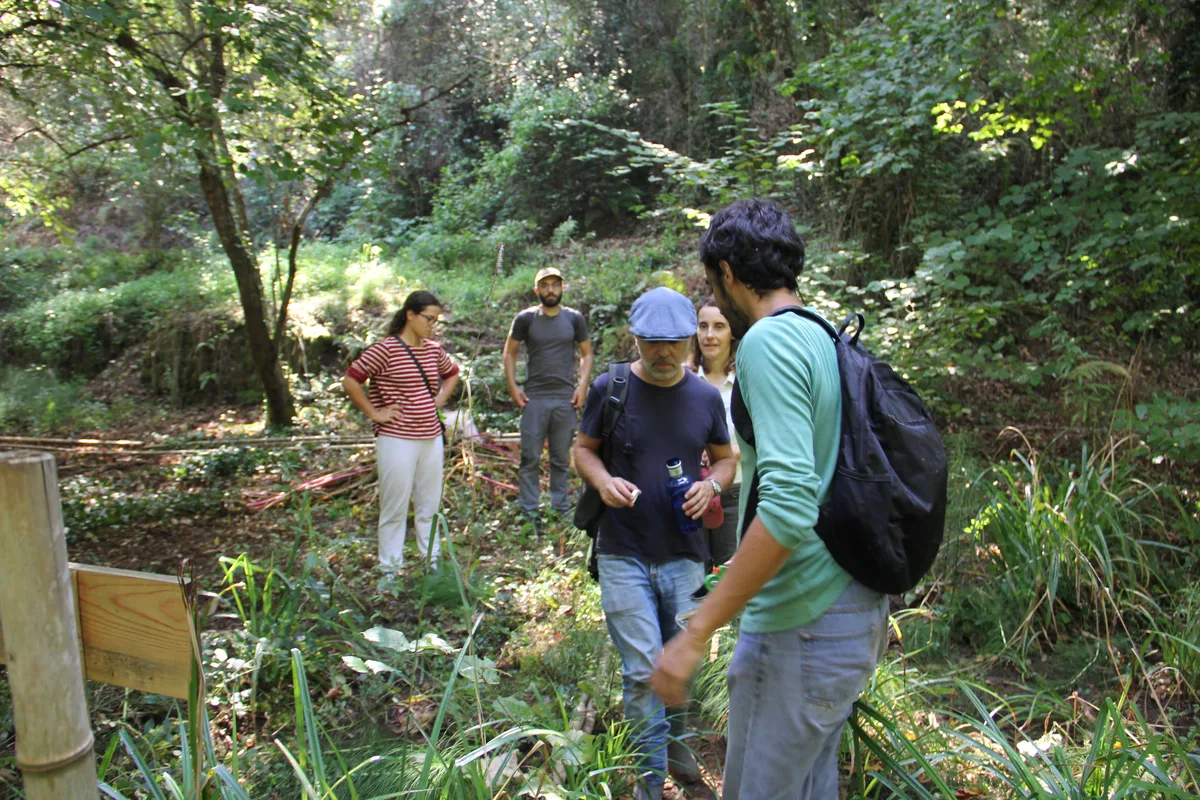 Em finais de Setembro, pusemos mãos à obra para controlar a expansão de duas espécies invasoras que ameaçam o equilíbrio de parte da encosta e sobretudo os núcleos do precioso endemismo ibérico Campanula alata descoberto aqui no ano passado. São elas a erva-rapa (Bidens frondosa) e a vitadínia-das-floristas (Erigeron karvinskianus).
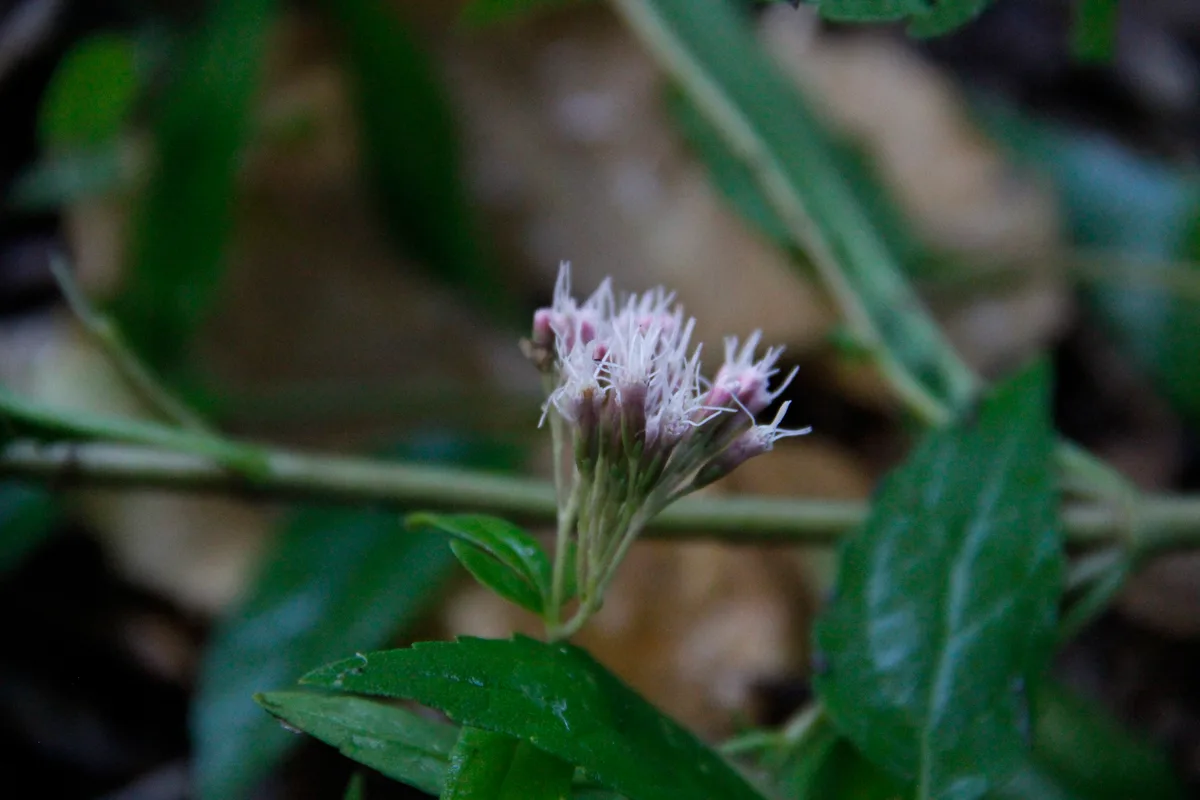
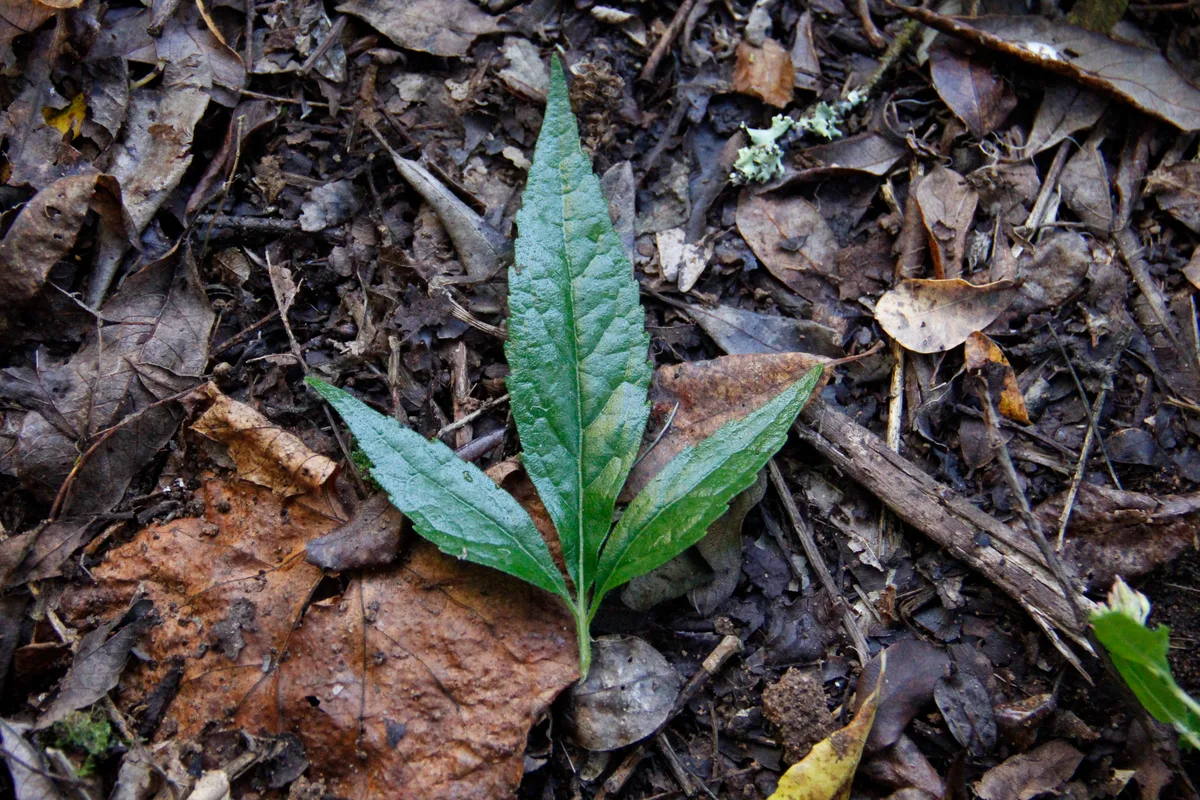
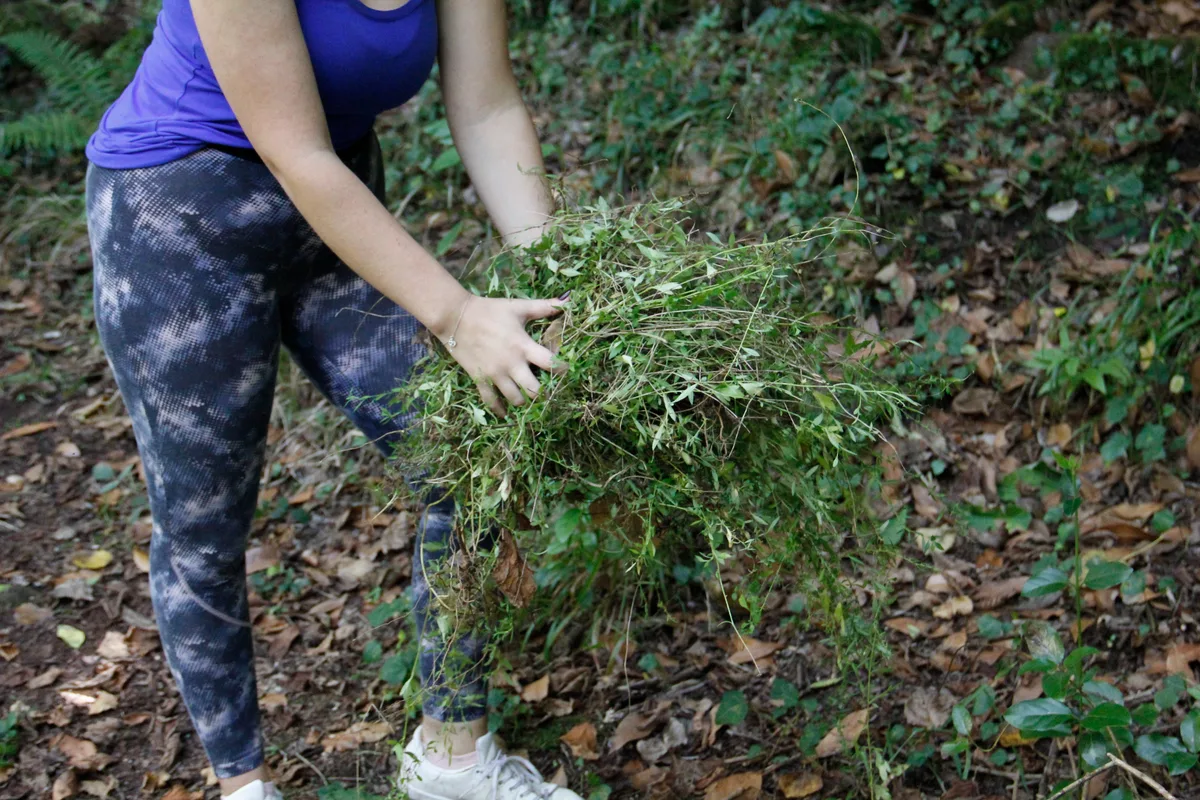 Tais intervenções necessitam do olhar atento dos nossos biólogos, pois as semelhanças com espécies da flora nativa podem ser substanciais. Por exemplo, a folha da erva-rapa assemelha-se muito à do autóctone trevo-cervino (Eupatorium cannabinum), como podemos ver nas fotografias abaixo.
 #pro-gallery-fb3be-not-scoped .gallery-item-container { opacity: 0 }
#pro-gallery-fb3be-not-scoped .gallery-item-hover::before { background: transparent !important}try {
window.requestAnimationFrame(function() {
#pro-gallery-fb3be-not-scoped .gallery-item-container { opacity: 0 }
#pro-gallery-fb3be-not-scoped .gallery-item-hover::before { background: transparent !important}try {
window.requestAnimationFrame(function() {
  var ele = document.getElementById('pro-gallery-fb3be-not-scoped');
  var pgMeasures = ele.getBoundingClientRect();
  var options = (() => "gallerySizeType:px|enableInfiniteScroll:true|titlePlacement:SHOW_ON_HOVER|gridStyle:1|imageMargin:5|galleryLayout:2|isVertical:true|numberOfImagesPerRow:2|gallerySizePx:300|cubeRatio:1|cubeType:fill|galleryThumbnailsAlignment:none")(ele);
  var width = pgMeasures.width;
  var height = pgMeasures.height;

  var isIOS = /iPad|iPhone|iPod/.test(navigator?.userAgent);
  if(isIOS) {
    width = width;
    width = width;
    height = height;
    height = height;
  } else {
    width = width;
    width = width;
    height = height;
    height = height;
  }

  pgMeasures = { top: pgMeasures.top, width, height };
var isVertical = options.includes('layoutParams_structure_scrollDirection:"VERTICAL"'); var layoutFixerUrl = '/serverless/pro-gallery-css-v4-server/layoutCss?ver=2&id=fb3be-not-scoped&items=3655_5184_3456|3720_5184_3456&container=' + pgMeasures.top + '' + pgMeasures.width + '' + pgMeasures.height + '' + window.innerHeight + '&options=' + options; document.getElementById('layout-fixer-style-fb3be-not-scoped').setAttribute('href', encodeURI(layoutFixerUrl)); });
    } catch (e) {
      console.warn('Cannot set layoutFixer css', e);
    }Erva-rapa (*Bidens frondosa*), espécie exótica invasora
 #pro-gallery-fnhlc-not-scoped .gallery-item-container { opacity: 0 }
#pro-gallery-fnhlc-not-scoped .gallery-item-hover::before { background: transparent !important}try {
window.requestAnimationFrame(function() {
#pro-gallery-fnhlc-not-scoped .gallery-item-container { opacity: 0 }
#pro-gallery-fnhlc-not-scoped .gallery-item-hover::before { background: transparent !important}try {
window.requestAnimationFrame(function() {
  var ele = document.getElementById('pro-gallery-fnhlc-not-scoped');
  var pgMeasures = ele.getBoundingClientRect();
  var options = (() => "gallerySizeType:px|enableInfiniteScroll:true|titlePlacement:SHOW_ON_HOVER|gridStyle:1|imageMargin:5|galleryLayout:2|isVertical:true|numberOfImagesPerRow:2|gallerySizePx:300|cubeRatio:1|cubeType:fill|galleryThumbnailsAlignment:none")(ele);
  var width = pgMeasures.width;
  var height = pgMeasures.height;

  var isIOS = /iPad|iPhone|iPod/.test(navigator?.userAgent);
  if(isIOS) {
    width = width;
    width = width;
    height = height;
    height = height;
  } else {
    width = width;
    width = width;
    height = height;
    height = height;
  }

  pgMeasures = { top: pgMeasures.top, width, height };
var isVertical = options.includes('layoutParams_structure_scrollDirection:"VERTICAL"'); var layoutFixerUrl = '/serverless/pro-gallery-css-v4-server/layoutCss?ver=2&id=fnhlc-not-scoped&items=3339_5184_3456|3523_5184_3456&container=' + pgMeasures.top + '' + pgMeasures.width + '' + pgMeasures.height + '' + window.innerHeight + '&options=' + options; document.getElementById('layout-fixer-style-fnhlc-not-scoped').setAttribute('href', encodeURI(layoutFixerUrl)); });
    } catch (e) {
      console.warn('Cannot set layoutFixer css', e);
    }Trevo-cervino (*Eupatorium cannabinum*), espécie autóctone
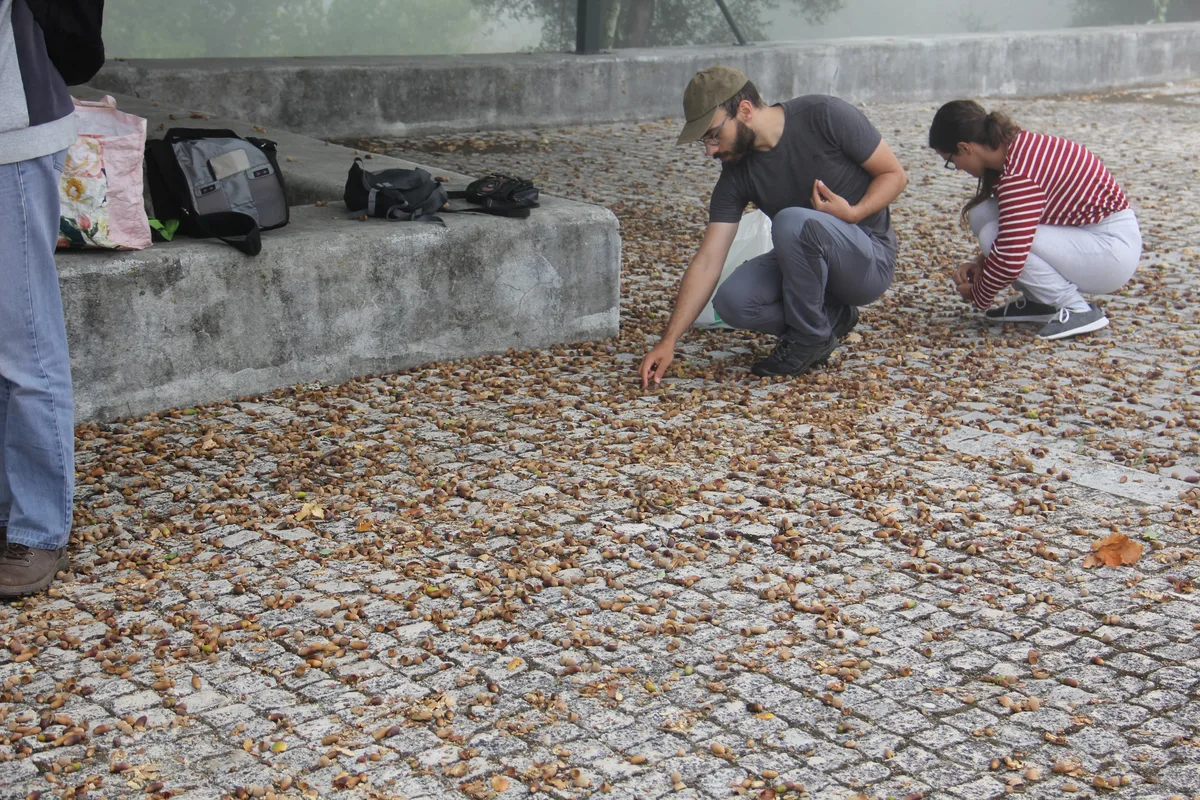
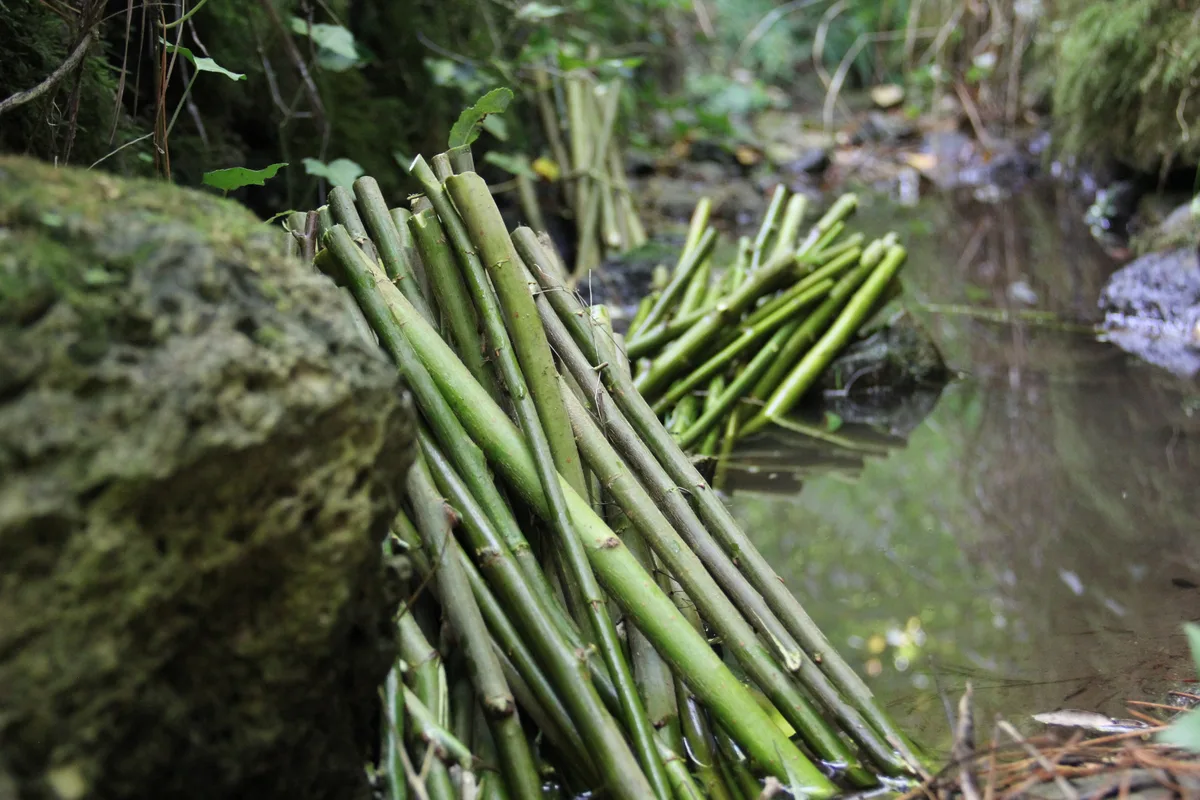
Já em Outubro, reunimos 7 participantes para preparar uma plantação numa zona que pretendemos restaurar. A atividade consistiu na apanha de bolotas de carvalho-português (Quercus faginea) e sobreiro (Quercus suber) e poda de salgueiros, por forma a melhorar o seu desenvolvimento e aproveitar os sobrantes para criar estacas de plantação. As bolotas já foram plantadas e aguardam agora o transplante para a sua nova casa: a Bio-Reserva Senhora da Alegria.